

Last updated October 31, 2026
 House lockouts
 Re-keying
 Deadbolt upgrades
 Smart locks
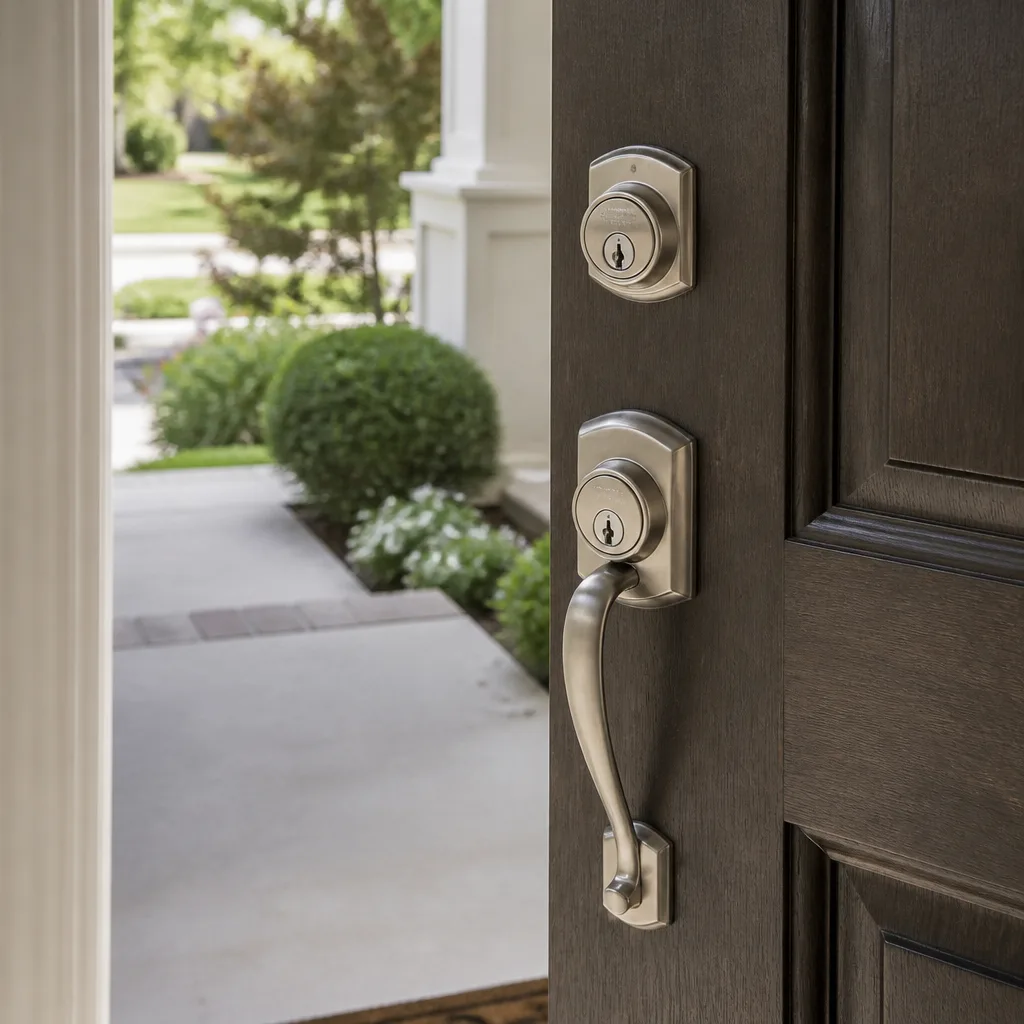 Schlage
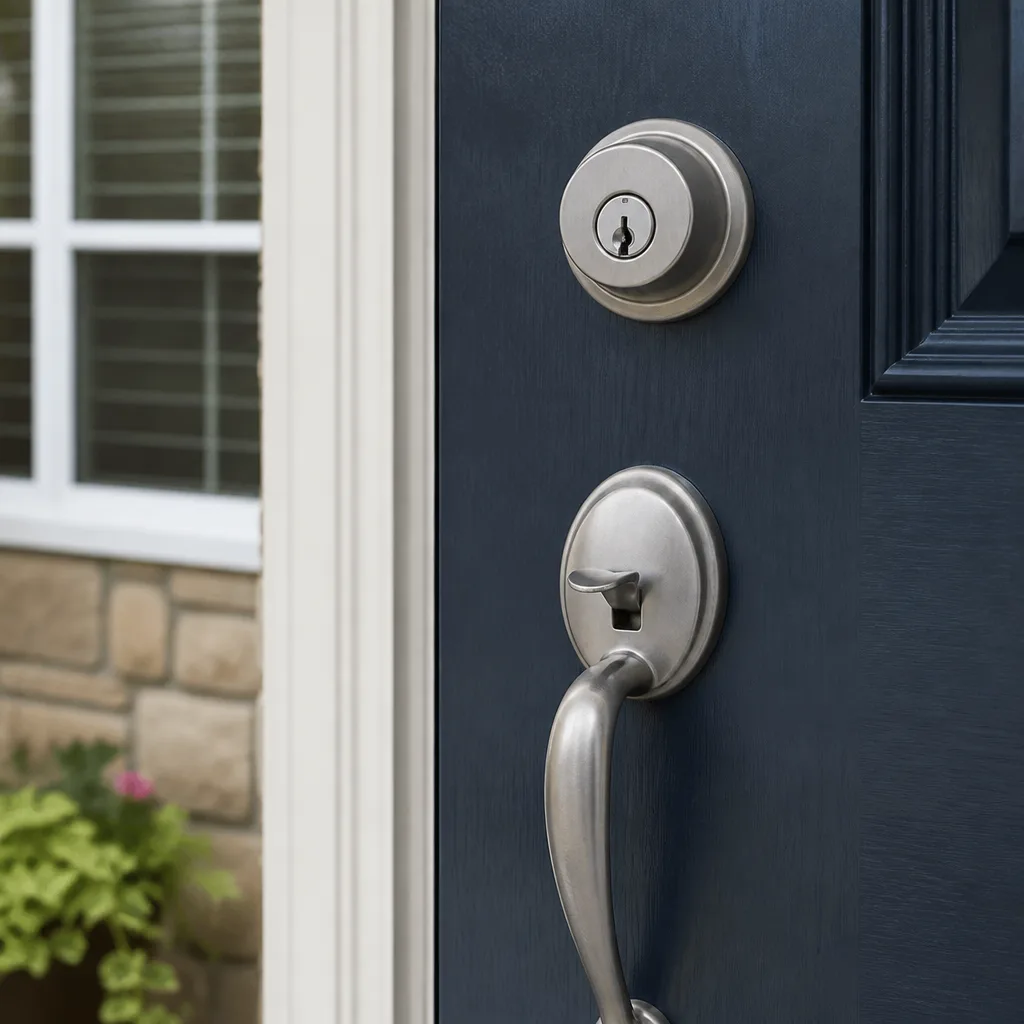 Kwikset
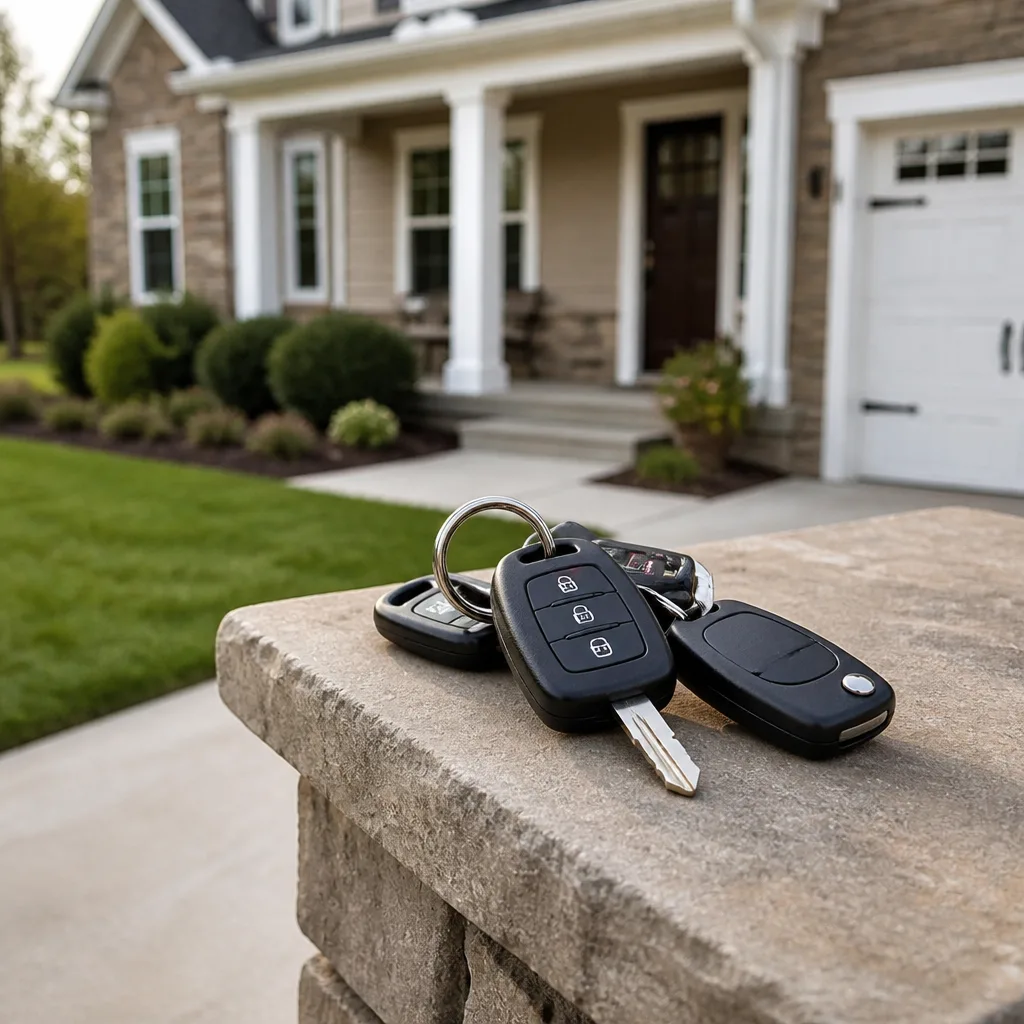 Car keys & fobs
Non-destructive entry first, always - and we re-key Schlage, Kwikset, and Baldwin locks on the spot while you watch
You get a price before we start. It does not change when we arrive. No surprises.
Get your free estimateThe Complete Car Key Replacement Guide for San Francisco Homeowners
The most expensive mistake San Francisco drivers make isn’t losing their car key. It’s calling the dealership before calling a locksmith, a sequence that reliably adds $150 to $300 and a multi-day wait to a problem solveable curbside in under an hour. This guide walks through the decision tree of our Car Key Replacement services in San Francisco: what your key actually is, what it costs to replace in this market, where the dealership wins, where the locksmith wins, and what to have in your glovebox before you ever lose a key.
Quick Answer
Car key replacement in San Francisco costs between $120 and $450 depending on your key’s technology tier, with basic cut keys at the low end and proximity smart fobs at the high end. A mobile locksmith can program most transponder and smart keys on-site in under an hour, saving $150 to $300 versus dealership pricing and eliminating the tow many drivers think they need. The one caveat: some luxury European models still require dealer-only programming, which we’ll cover below.
Styles & brands we work with
Table of Contents
- What Kind of Key Do You Actually Have?
- The Real Cost Breakdown in San Francisco
- Dealership vs. Locksmith: When Each Wins
- Why San Francisco Creates Unique Key-Loss Scenarios
- Exact Questions to Ask Before a Locksmith Arrives
- California Ownership Documentation: What to Have Ready
- Common Mistakes to Avoid
- When to Call a Professional
What Kind of Key Do You Actually Have?
Before you call anyone, figure out which of four key types your vehicle uses. This single fact determines your price range, your wait time, and whether you need a dealership or can use a mobile locksmith in San Francisco. Most drivers we talk to can identify the tier just by looking at the key and answering two questions: does it have buttons, and does it start with a push or a turn?
The four tiers, in order of replacement cost:
- Basic Cut Key (pre-1996): A plain metal key with no electronics. Costs $5 – $25 to cut. Almost no programming involved. Rare in San Francisco now, but still shows up on older pickups and economy cars.
- Transponder Key (1996 – 2010 era): A key with a hidden RFID chip inside that the car’s immobilizer must recognize before the engine will start. The key costs $60 – $150, plus programming. This is the most common key type we replace in San Francisco.
- Smart Key / Remote Head Key (2010 – present): A fob with buttons and either a flip-out metal blade or no blade at all. Push-to-start vehicles use these. Replacement costs $180 – $350 including programming.
- Proximity Fob (luxury and newer models): A keyless-entry fob that never leaves your pocket. Signals the car to unlock and start via short-range radio. Replacement costs $250 – $450. Some German models exceed $500 and require dealer-level tooling.
Here’s what most Bay Area quotes won’t tell you about the first tier: a 2005 Honda key and a 2019 Toyota smart key are not the same conversation. The moment you can name your key’s tier, you stop being quoted on the phone and start being quoted with accuracy. That’s the difference between a $250 job and a $175 job done right.
The Real Cost Breakdown in San Francisco
San Francisco pricing runs higher than the national average for two reasons: mobile service has to battle parking in neighborhoods like the Mission and Nob Hill, and Bay Area dealerships set a high floor that locksmiths generally track at 30 – 40% below. Here’s what you should expect in 2026 across the four tiers, including the programming labor that most quotes bundle or hide.
| Key Type | Locksmith Total (SF) | Dealership Total (SF) | Typical Wait |
|---|---|---|---|
| Basic Cut Key | $15 – $30 | $40 – $80 | Immediate |
| Transponder Key | $120 – $200 | $250 – $400 | Locksmith: under 1 hr; Dealer: 1 – 3 days |
| Smart Key / Remote Head | $190 – $320 | $350 – $600 | Locksmith: under 1 hr; Dealer: 2 – 5 days |
| Proximity Fob | $260 – $450 | $400 – $750 | Locksmith: 1 – 2 hrs; Dealer: 3 – 10 days |
These numbers reflect what the San Francisco market actually sees, not the national “starting from” figures you’ll find on generic advice sites. The range exists because programming difficulty varies by make. A Ford transponder key typically programs in 10 minutes with generic tools. A BMW proximity fob can require 40 minutes and VIN-locked software. When we quote, we quote after asking the year, make, and model because a 2018 Honda and a 2018 Mercedes are different jobs entirely.
Dealership waits in San Francisco are also structurally longer than most drivers expect. The dealer has to order keys from the manufacturer, schedule a service bay, and often requires you to bring the vehicle in, which means a tow if you lost the only key. A mobile locksmith shows up to your driveway in the Richmond or your garage in SoMa and cuts and programs on-site.
Dealership vs. Locksmith: When Each Wins
The honest answer is that neither wins every time. But the decision is simpler than most San Francisco drivers think, and it has little to do with brand loyalty. For a deeper breakdown, see DIY vs Professional Locksmith: The San Francisco Homeowner’s Decision Guide.
When a dealership is genuinely the right call
- Your vehicle is under warranty that requires dealer-only key replacement. Some premium marques write this into the contract. Read your warranty language if you have a newer car.
- You drive a brand-new model (last 12 months) that locksmith tooling doesn’t cover yet. Tool manufacturers release updates on a lag. The newest electric and luxury vehicles sometimes have a 6 – 18 month window where no aftermarket tool can program them.
- Your key contains a proprietary encrypted element that requires the manufacturer’s central database. This is still true for several German luxury models in 2026.
- You’ve already lost all keys and the dealer is your only option for a VIN-based key code. This is fading as an issue, but it still applies to certain makes.
When a locksmith is the right call
- You have one working key and want a spare. No tow, no dealership queue. A locksmith can clone or program a second key in under an hour, usually for 40 – 60% less than the dealer charges.
- You’ve lost all keys and the car is parked curbside. Towing to a dealer costs $150 – $250 before you’ve paid a cent for the key. A mobile locksmith in San Francisco comes to the car.
- Your key is worn or the buttons are failing. This is a replace-and-repair job a locksmith handles routinely.
- You need a spare key, not a whole new system. Some drivers think losing a key means replacing the car’s computer. It doesn’t. Adding a key and erasing a lost key from the ECU takes minutes with the right tool.
One scenario where drivers skip the dealership and regret it: when an untrained locksmith shows up, fails to program the key, and leaves the car in a no-start state that now requires a dealer reset. This is why the next section matters. Not every locksmith in San Francisco carries modern programming tools, and the ones that don’t can do harm. Before you let anyone touch your vehicle’s ECU, ask the right questions.
Why San Francisco Creates Unique Key-Loss Scenarios
Car key replacement is a different job in San Francisco than in Mountain View or Sacramento. The city’s geography, parking infrastructure, and daily habits produce specific loss patterns that drive the need for on-site programming, not a tow. For The Complete Guide to Locksmith in San Francisco, read on.
Garage density. A large share of San Francisco drivers park in shared residential garages or attended parking structures. Keys get dropped between parking levels, picked up by garage staff, or left in elevator lobbies. When a key is lost in a SoMa garage, the car doesn’t need to move. It needs a locksmith to come to level 3, cut and program a new key, and get the driver out the gate. That’s a mobile programming job, not a tow job.
Valet volume. San Francisco runs on valet, from the restaurants in North Beach to the hotels in Union Square. Valet key loss is more common here than in any Bay Area city outside of San Jose. When a valet loses a key, the driver is stranded without a spare and the valet company is dithering. A mobile locksmith resolving the issue on the spot prevents a multi-day dispute.
Parallel parking and curb stress. Losing a key while carrying groceries from a Mission Street curb to a third-floor walk-up is a daily San Francisco reality. By the time most drivers realize the key is gone, they’ve retraced four flights and three blocks. This is also why we tell San Francisco drivers to have a spare key before they need one. The city does not make losing a key convenient, and a spare is a $120 insurance policy against a $250 emergency.
Street sweeping and tow risk. If your key is lost and the car is parked in a street sweeping zone, the clock is ticking. A car parked in the wrong spot during cleaning gets towed in hours, and a tow plus a dealership key can run over $800. A mobile locksmith who arrives in under an hour is the difference between a $200 fix and an $800 day.
The pattern here is that San Francisco car key loss is rarely a “drive to the dealer” problem. The car is parked somewhere awkward, the driver is busy, and the fix has to happen where the car sits. That’s the service model that matters.
Exact Questions to Ask Before a Locksmith Arrives
Until you’ve asked these three questions, you don’t know whether the person on the phone can actually finish the job. This is the highest-value part of this guide. The questions aren’t hard, and they take 60 seconds, but they eliminate the most common San Francisco failure mode: a locksmith arrives, cuts a key, fails to program the immobilizer, and leaves you with a car that cranks but won’t start.
- “What programming tools do you carry for my specific year, make, and model?”
A competent locksmith answers with tool names and confidence. A vague answer means they may rely on the car’s onboard procedure, which most modern vehicles no longer support. You want to hear that the tech carries a professional-grade programmer from a name brand, and that they’ve done your exact make before. This question matters because every car’s ECU is different, and a tool that works on a 2015 Chevy may not touch a 2021 Honda. - “Can you erase all lost keys from the vehicle’s memory during programming?”
This is a security question, not a convenience question. If someone else has your lost key, they can take your car. Any modern programming tool can wipe the lost key from the vehicle’s authorized key list as part of adding your new one. If the locksmith says they’ll “just add a key” without erasing the old one, call someone else. A lost key in the wrong hands in San Francisco is not a trivial risk. - “What happens if programming fails?”
The professional answer includes a no-charge guarantee for the failed job and a clear plan for the next step, which may involve a dealer referral in rare cases. A vague or evasive answer means you’re carrying the risk of a bricked ECU. This is the single best screening question we can offer. If they can’t answer it cleanly, the risk profile of the job changes.
You don’t need to understand immobilizer protocols to ask these questions. You just need to ask them. The answer quality tells you everything about the operation on the other end of the phone.
California Ownership Documentation: What to Have Ready
California requires proof of vehicle ownership before anyone cuts and programs a new key. The exact documents depend on whether you’re the registered owner or driving a vehicle registered to someone else, but in all cases the process is faster if you prepare before the emergency. This section takes two minutes to read and saves a frustrated call when a locksmith or dealership won’t proceed without paperwork.
What to keep in your glovebox (or phone camera roll) before you ever lose a key:
- Valid registration card or temporary registration. This is the gold standard. It proves you have the legal right to the vehicle.
- Your driver’s license or state ID. Name must match the registration or you need the next item.
- A bill of sale or title (if registration isn’t current). For recently purchased vehicles, a signed title or bill of sale works.
- A written authorization letter from the registered owner if the car is registered to someone else, such as a parent or a company. This letter should identify you by name, identify the vehicle by VIN, and grant permission to have a key made.
- The vehicle’s VIN. Visible through the driver’s side windshield near the dashboard. A locksmith may need this to cut a key by code if no original is available.
California’s Vehicle Code doesn’t spell out a single universal document, but any professional will require proof of ownership or clear authorization before making a key. This protects you as much as it protects the locksmith. In our experience, the smoothest San Francisco key replacements happen when the owner has their registration card and ID physically in hand. The second-smoothest happen when those documents are photographed and stored on a phone.
A note on apartment and rental situations: if you’re a renter in San Francisco and the car is registered to a parent in another state, bring a signed authorization letter plus a copy of the owner’s ID. Without this, most reputable locksmiths and all dealerships will decline the job. It’s not bureaucracy for its own sake. It’s the difference between making a key for the car’s owner and making one for a car thief.
Common Mistakes to Avoid
- Calling the dealership first, by reflex. San Francisco drivers lose $150 – $300 this way before the key is even ordered. The dealership path also requires a tow if you have no working key, adding another $150 – $250. A mobile locksmith eliminates both costs in most cases.
- Ordering a blank key online and hiring a programmer separately. The online blank is often the wrong frequency or chip type, and the programmer won’t touch a part they didn’t supply. You pay twice and still need a locksmith. Buy the key and the programming from the same professional.
- Assuming every locksmith can do every car. Many can’t. Programming equipment and training vary widely. Ask the three questions in the section above before anyone arrives.
- Not having a spare key before you need one. In San Francisco, a spare key costs $120 – $200 and saves a $250 – $450 emergency plus a day of disruption. The economics are one-sided.
- Ignoring the security implication of a lost key. A lost key isn’t just a convenience problem; it means someone else may now hold access to your car. When a key is lost, erasing it from the vehicle’s memory should be part of every replacement, not an add-on you discover later.
- Waiting for a street sweeping ticket or tow instead of calling immediately. If your car is parked in a San Francisco street sweeping zone and the key is gone, the city’s meter runs up $73 tickets and eventually a tow. Urgency is part of the fix.
- Using a key that’s visibly worn until it snaps. Worn keys snap in ignition cylinders and door locks, creating a bigger job than a simple replacement would have been. When the teeth look smooth and rounded, it’s time to replace the key at your convenience, not after it breaks.
When to Call a Professional
You should call a locksmith the moment you realize a key is lost or broken and you have no immediate access to a working spare. If the car is parked in a street sweeping zone, a metered spot, or a garage with an hourly rate, every hour of delay has a dollar cost. Even when the car is parked safely, a professional replacement prevents the cascading costs of a tow, a dealership queue, and a rental car day. Citadel Locksmith offers free estimates in San Francisco, call (833) 589-8078 and we’ll tell you exactly what your specific vehicle needs before anyone is dispatched.
For broader home security work, the Citadel Locksmith home page covers our full service range. If you’ve also been locked out of your house in the process, our Emergency Locksmith in Mountain View page explains how the same team handles both. And if you’re replacing car keys because you just bought a home or went through a life transition, rekeying locks is the fastest way to take back control of every key on your property. We also serve the peninsula: Car Key Replacement in Mountain View covers the same service across the county line.
Frequently Asked Questions
Car key replacement in San Francisco costs between $120 and $450 depending on whether you have a transponder key, smart key, or proximity fob. Basic cut keys run $15 – $30. Dealership pricing is 50 – 100% higher across all tiers. Call (833) 589-8078 for an exact quote based on your year, make, and model. The full price is quoted on the phone before anyone is dispatched, and it’s the price on the invoice.
Yes, a San Francisco locksmith can cut a new key by code or by impressioning the lock when no original exists. Programming then pairs the new key to the vehicle’s immobilizer so the car will start. This is done on-site at your parking spot, requiring no tow and no dealership visit in most cases. The service includes erasing any lost keys from the vehicle’s memory so a missing key can’t start your car.
In San Francisco, most mobile locksmiths can cut and program a new transponder or smart key in under an hour at your location. Proximity fobs for certain luxury models can take up to two hours. Same-day service in neighborhoods like the Sunset, Richmond, Mission, and SoMa is standard for an emergency locksmith operation. Call early if you can, weekend calls in San Francisco book up fast.
Yes, at Citadel Locksmith the price quoted on the phone is the price on the invoice, with no call-out surcharge added on arrival. We give you a full price based on your vehicle’s year, make, and model before anyone is dispatched. This does not change unless the vehicle has been modified or the job turns out to be something different than described on the call.
No, not in the vast majority of cases. A mobile locksmith in San Francisco can cut and program most keys on-site, eliminating the need for a tow and the dealership wait. Some brand-new or high-security European models still require dealer-level tooling, but these are the exception, not the rule. Ask the locksmith on the phone whether your specific year, make, and model is one they can program curbside.
California requires proof of ownership or clear authorization before a key can be made. Bring your valid registration card and your driver’s license, with names matching. If the car is registered to someone else, you’ll need a signed authorization letter from the registered owner plus a copy of their ID. A bill of sale or title also works for recent purchases. A reputable San Francisco locksmith will verify this before cutting the key.
Yes, when we program a new key, we erase all lost or unknown keys from the vehicle’s authorized key list as part of the standard service. This means a key lost in San Francisco, whether dropped in a garage or stolen by a valet, cannot start your car afterward. It’s a critical security step most drivers don’t know to ask for. We do it automatically because a replacement key that leaves old keys active is incomplete work.
The Bottom Line
Car key replacement in San Francisco is a decision tree, not a single service. Get your key tier right, ask a locksmith the three screening questions before they arrive, and keep your California ownership documentation ready before you ever need it. Most drivers can save $150 – $300 over dealership pricing, avoid a tow, and have a working key in under an hour at their own curb. The dealership wins only in specific, narrow cases: brand-new vehicles, warranty constraints, and a few high-security European makes. For everything else, a qualified mobile locksmith is the faster and cheaper path. And if you’re ever not sure which branch of the tree you’re on, call (833) 589-8078 and we’ll tell you before you pay a cent.
Written by the team at Citadel Locksmith, serving San Francisco since 2011. Explore more guides & resources.