

Last updated October 31, 2026
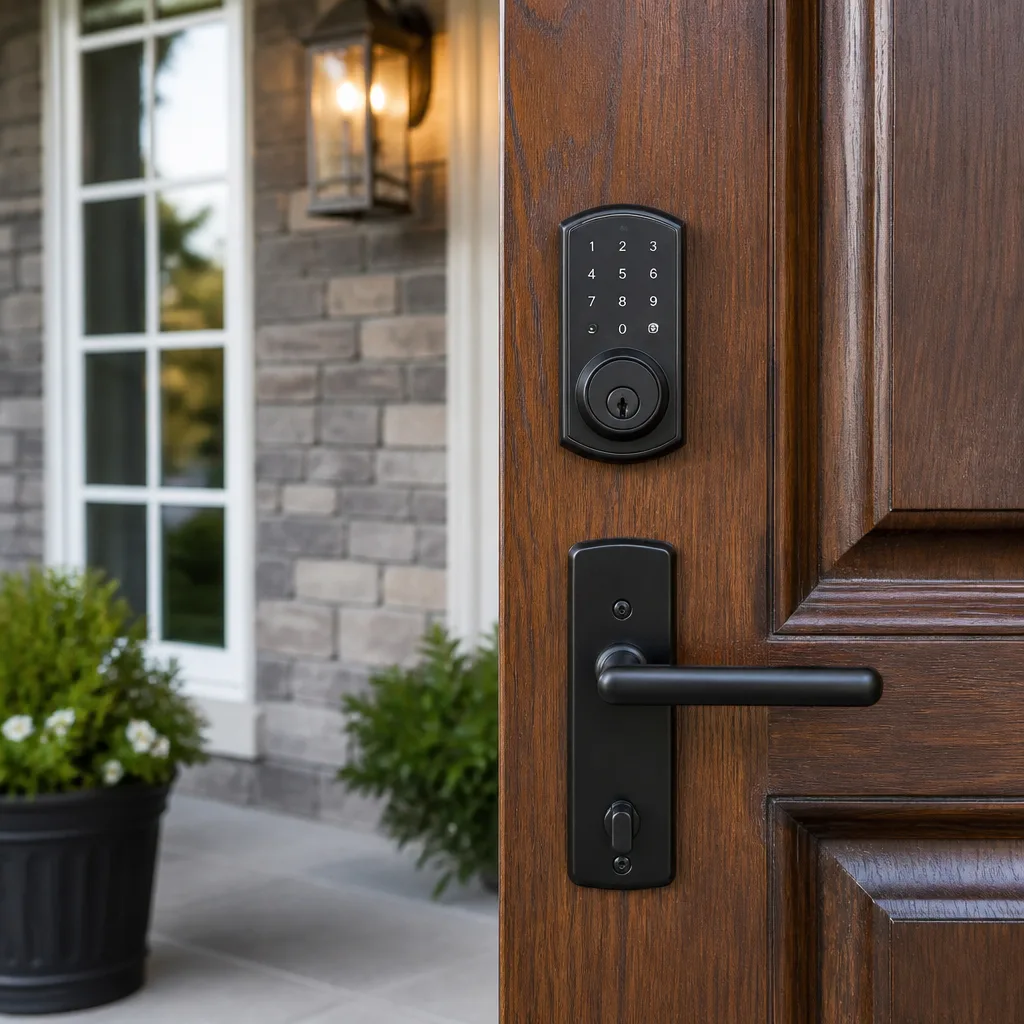 Smart locks
 House lockouts
 Re-keying
 Deadbolt upgrades
 Schlage
 Kwikset
 Car keys & fobs
Non-destructive entry first, always - and we re-key Schlage, Kwikset, and Baldwin locks on the spot while you watch
You get a price before we start. It does not change when we arrive. No surprises.
Get your free estimateDIY vs Professional Locksmith: The San Francisco Homeowner’s Decision Guide
Every year, San Francisco homeowners discover that a lock project they considered “simple” created a vulnerability a thief spotted in under thirty seconds. The question isn’t whether you can physically turn a screwdriver. It’s whether the work you do holds up to the specific security realities, building codes, and lease requirements that define life in San Francisco. This guide draws the line between jobs that reward a careful DIY effort and jobs where amateur work becomes a liability. By the end, you’ll know exactly which side of that line any lock task falls on, what it should cost, and why your specific housing situation in San Francisco changes the calculation more than you think.
Quick Answer
DIY is safe for about a third of common lock tasks in San Francisco: rekeying a lock you own, tightening loose hardware, replacing visible strike plates, and basic latch adjustments. Professional service is non-negotiable when you’re a tenant changing locks, dealing with a high-security cylinder (Mul-T-Lock, Medeco, Abloy), installing a smart lock on a door that needs prep work, or facing a lockout. The boundary is set by four variables: your property type, the security tier of your hardware, your lease status, and how urgent the fix is.
Styles & brands we work with
Table of Contents
- The Real Cost of DIY Lock Work in San Francisco
- San Francisco Tenant and Landlord Law on Lock Modification
- DIY-Safe Lock Tasks: Where Homeowners Can Save Money
- Tasks That Require a Professional, No Exceptions
- The Smart Lock Trap: Why Installation Isn’t the Hard Part
- The Insurance Dimension: How DIY Lock Work Creates Coverage Disputes
- The Decision Matrix: Four Variables That Determine Your Call
- What Professional Service Actually Costs in San Francisco
The Real Cost of DIY Lock Work in San Francisco
San Francisco’s housing stock is older than almost any city in California. Roughly two-thirds of residential buildings date to before 1950, which means doors that have settled, frames that have shifted, and hardware that has been retrofitted across decades. A $15 Kwikset cylinder from the hardware store on Mission Street doesn’t account for a door that’s out of square by two degrees. That’s where DIY projects quietly fail.
The visible cost of DIY is the part you pay at the register. The hidden cost is the part that shows up three months later: a latch that no longer catches, a deadbolt that binds when the fog rolls in and the wood swells, a smart lock that drains its batteries because the bolt throw is fighting the frame. San Francisco’s microclimates make this worse. A door that fits perfectly on a dry September day in the Mission will stick by November when the moisture comes in off the Pacific. We see this every year: homeowners who installed hardware in the dry season and then find themselves locked out on a wet Tuesday because the alignment shifted.
The honest math is this: DIY saves you the labor cost, which in San Francisco typically runs $85 to $150 for a standard rekey or cylinder replacement. What it risks is the follow-up cost of repairing or replacing hardware that was installed to the door you wish you had, not the door you actually have.
San Francisco Tenant and Landlord Law on Lock Modification
Here’s where San Francisco diverges sharply from most of the country. Under California Civil Code Section 1941.5, a tenant has the right to change locks after experiencing domestic violence, stalking, or sexual assault, with specific documentation requirements. Outside that narrow protection, your standard San Francisco lease almost certainly includes a clause prohibiting unauthorized lock modifications. And San Francisco’s rent control environment adds another layer: many tenants occupy units under the Rent Ordinance, and a lease violation becomes grounds for eviction proceedings in ways that other cities don’t match.
The rule is straightforward and most tenants never learn it until a dispute arises: you may not change or rekey your locks without written permission from your landlord. Full stop. If you do, and the landlord decides to enforce the lease, you’re looking at a cure-or-quit notice that can escalate to eviction. The property owner has a right to access their building in emergencies, which is why most leases require that you provide a copy of any new key within 24 hours of changing locks, even when the change is permitted.
Landlords in San Francisco face their own obligation: they must rekey or change locks between tenants. There’s no specific San Francisco ordinance mandating this the way some cities do, but California case law has established a duty of care around tenant security, and most property management firms in the Bay Area now treat rekeying between tenants as standard practice to limit liability. If you’re a landlord reading this, rekeying locks between tenants is the smallest insurance policy you’ll ever purchase.
DIY-Safe Lock Tasks: Where Homeowners Can Save Money
Here’s the liberating part: there are genuinely safe DIY tasks that a careful San Francisco homeowner can do with a screwdriver, some patience, and the willingness to measure twice. These tasks share three characteristics: they don’t require disassembling the lock cylinder, they don’t affect the keying system, and a mistake is visible and reversible.
- Tightening loose hardware. Grab a Phillips head screwdriver and snug up the screws on the strike plate, the deadbolt faceplate, and the handle rose. Over years of use, these loosen. Tightening them restores proper latch alignment and bolt throw. Ten minutes, zero risk.
- Replacing visible strike plates. The strike plate is the metal plate screwed into the door frame. Swapping a standard one for a security strike plate with longer screws (at least 3 inches) is a legitimate security upgrade that requires no lock disassembly. The long screws bite into the wall stud, not just the jamb, making a kick-in attack far harder. This is one of the highest-value DIY upgrades in San Francisco, where older jambs are often soft from decades of moisture.
- Replacing the lock body you own, when it’s a standard cylinder. In a house you own, with a standard Schlage or Kwikset lock, you can swap the entire deadbolt yourself. The process takes fifteen minutes and requires a screwdriver. Buy from a reputable brand, match the backset exactly (2-3/8″ or 2-3/4″), and test the bolt throw fully before you call it done. If you’re a renter, skip this task entirely and consult your lease.
- Lubricating a sticky lock. Use a dry graphite lubricant or a Teflon spray, never WD-40, which attracts dust and gums up San Francisco’s already grimy air. Two short puffs into the keyway, insert the key, work it back and forth. This solves a surprising number of lock complaints we field.
- Adjusting a misaligned strike plate. If the latch catches but the deadbolt doesn’t, the issue is usually the strike plate. Loosen the screws, move the plate a millimeter or two, test the bolt, and retighten. If the gap is too large to adjust by repositioning the plate, that’s a door-settling issue that needs professional attention.
Tasks That Require a Professional, No Exceptions
Some lock work looks approachable but isn’t. The dividing line isn’t about pride or capability. It’s about whether an amateur error produces a visible cosmetic issue or a silent security failure. A cosmetic issue gets fixed. A security failure gets exploited.
- Rekeying a cylinder. Rekeying means changing the internal pins so old keys stop working. It requires disassembling the cylinder, removing the plug, and replacing pins to match a new key. Drop one pin, mix up the order, or install a spring wrong, and you have a lock that either doesn’t open at all or opens with keys it shouldn’t. We’ve disassembled DIY rekey attempts where the owner had inadvertently created a lock that turned with a screwdriver. Rekeying is the single most common home security task in San Francisco after a move or a roommate change, and it’s the task where a professional’s $85 to $150 fee buys you certainty.
- Smart lock installation on an unprepared door. See the section below. This deserves its own warning.
- Any lock with a Mul-T-Lock, Medeco, or Abloy cylinder. These are high-security systems with patented keyways and proprietary pins. You cannot rekey them with parts from a hardware store. You typically cannot even get duplicate keys cut without presenting the owner card or security registration. Attempting to service these cylinders yourself voids the warranty and often damages the lock. Not all locksmiths service these brands. We do. The range matters when you own a home with existing high-security hardware, which is increasingly common in the newer condo buildings near Mission Bay and South Beach.
- Automotive key replacement. Modern car keys are transponder chips married to the vehicle’s immobilizer. Programming requires diagnostic equipment and access to manufacturer key codes. This is not a DIY task, ever. If you’ve lost a car key in San Francisco, car key replacement through a locksmith is consistently cheaper than the dealership, often by hundreds of dollars, and it doesn’t require towing your car.
- Lockout entry. A San Francisco lockout at midnight in the Richmond District calls for a professional. We understand the temptation to try a credit card or a bump key from a YouTube tutorial. The result of amateur entry attempts is typically a scratched door, a damaged lock, and a longer repair. An emergency locksmith carries the right tools, carries the right insurance, and most importantly, carries the liability if anything gets damaged rather than leaving that with you.
The Smart Lock Trap: Why Installation Isn’t the Hard Part
Smart locks are the easiest lock product to sell and the hardest to install correctly. The marketing shows a five-minute process: remove two screws, slide off the old deadbolt, slide on the new one, pair your phone, done. The reality in San Francisco is different, and the difference lives in three layers.
First, door prep. San Francisco door frames are old. They’ve been painted over a dozen times. The mounting holes may not line up with the smart lock’s chassis. The backset may be a nonstandard distance. The door thickness may require an extension kit the manufacturer doesn’t include in the box. If the bolt throw doesn’t align with the strike plate exactly, the lock’s motor fights the door on every cycle, draining batteries in weeks instead of months. This is the most common smart lock failure we’re called to fix: a lock that worked for thirty days and then died because the door was never prepared to the lock’s specification.
Second, the integration layer. The lock has to communicate with an app, and the app has to communicate with your home’s Wi-Fi or Bluetooth, and sometimes a bridge device, and your phone’s operating system, and possibly a home automation platform. That’s four or five layers of interaction, each with its own firmware, security patches, and failure modes. A professional doesn’t just mount the lock; they verify the full chain before leaving.
Third, and most subtle: the cylinder itself. Many smart locks ship with a standard key override cylinder, which means you’re potentially installing a lock that is pickable, bumpable, or drillable through its mechanical override. If you’re security-conscious enough to install a smart lock, you should be asking whether the cylinder inside it meets the same standard. Swapping in a pick-resistant cylinder from a brand that takes security seriously, like a Yale or Baldwin product with a better cylinder, is a move that most DIY installs miss entirely.
The Insurance Dimension: How DIY Lock Work Creates Coverage Disputes
Here’s a scenario we’ve seen in San Francisco more than once. A homeowner in the Outer Sunset installs their own deadbolt. Three months later, a break-in occurs. The insurance adjuster arrives, examines the entry point, and notes that the deadbolt’s bolt throw didn’t fully extend into the strike plate, or that the strike plate was secured with half-inch screws into soft jambs, or that the lock cylinder was a model with a known bypass vulnerability. The claim gets reduced or denied on the basis of inadequate security.
California homeowners insurance policies contain what’s called an “expected standard of care” when it comes to property maintenance. It’s rarely spelled out in the policy text the way you’d hope. What insurers look for is whether the lock was installed to a standard that a reasonable professional would meet. If the break-in exploited a fault a professional would have caught, the insurer has leverage to dispute the claim. This isn’t theoretical. Adjusters in San Francisco have seen enough DIY lock failures to recognize them on sight.
The insurance dimension cuts both ways for renters. If you change your own locks and then experience a burglary, your renter’s insurance claim can be complicated by the lease violation itself. Some policies include language that denies coverage for losses occurring while the insured is in breach of their rental agreement. The safest path for any tenant in San Francisco is to have the landlord authorize the lock change, in writing, and to have the work done professionally so there’s a record of the install.
The Decision Matrix: Four Variables That Determine Your Call
Every lock decision in San Francisco boils down to four questions. Answer them honestly and the right call becomes obvious.
- Property type: owned or rented? If you own, the decision is yours, and the calculation is about security standards and hardware compatibility. If you rent, your lease and California law constrain almost everything. Tenants should virtually never DIY lock changes. Landlords should rekey between tenants as standard practice.
- Security tier of the lock. Standard consumer hardware from Schlage or Kwikset, standard cylinder, standard keyway: DIY-friendly for replacement of the full lock body if you own. High-security hardware from Mul-T-Lock, Medeco, Abloy, or restricted keyway systems: professional only. The moment you’re touching a patented keyway, you’re out of DIY territory.
- Lease status and tenant rights. California Civil Code Section 1941.5 gives specific protections to tenants who’ve experienced domestic violence. Outside that, the lease governs. Written permission from the landlord, a record of the work, and a system for providing the new key are all required. The cost of getting this wrong in San Francisco’s eviction environment is extreme.
- Urgency of the fix. Loose hardware and routine maintenance wait for a convenient Saturday. A lockout in the Marina at 11pm doesn’t. A break-in scare doesn’t. A stalking situation doesn’t. Urgency doesn’t change whether a task is DIY-safe, but it changes whether you have the bandwidth to do it carefully. Urgent work should go to a professional every time.
What Professional Service Actually Costs in San Francisco
Price transparency in locksmithing is a problem this industry created for itself with bait-pricing ads. The result is that San Francisco homeowners have no reliable reference point for what a fair price looks like. Here are the ranges we see as standard in the current market.
- Standard lock rekey (one cylinder): $85 to $150, depending on the cylinder type and whether it’s a standard pin tumbler or something more specialized.
- Deadbolt or lock replacement (labor only): $75 to $125, plus hardware cost, which varies wildly by brand and security tier. A basic Kwikset deadbolt runs $25 to $45. A Baldwin or Sargent architectural deadbolt in an oil-rubbed bronze finish runs $150 to $350. A Mul-T-Lock high-security deadbolt runs $200 to $400.
- Emergency lockout service: $95 to $175, depending on time of day and location within San Francisco. Night and weekend calls in neighborhoods like Pacific Heights or Noe Valley tend to run at the higher end.
- Smart lock installation with door prep: $150 to $300. The range depends on whether the door needs drilling, chiseling, or strike plate repositioning.
- Car key replacement (transponder key): $180 to $400, depending on the vehicle’s year, make, and key system. Generally 30-50% below dealership pricing for the same key.
One thing we’ll say plainly because it matters: the price quoted on the phone should be the price on the invoice. No call-out surcharge added on arrival, no mystery fees for standard work. If a company won’t commit to a firm price before dispatching, that’s a red flag regardless of what they advertise. Call (833) 589-8078 for a free estimate on any lock project in San Francisco.
Common Mistakes to Avoid
- Using WD-40 on a lock. WD-40 is a water displacer, not a lock lubricant. It leaves a residue that attracts San Francisco’s gritty airborne dust and gums up the pins. Use dry graphite or Teflon spray instead.
- Installing a smart lock without checking the backset. San Francisco’s older doors frequently have non-standard backsets from previous retrofits. Measure before you buy or you’ll be making a return trip to the hardware store.
- Rekeying your own lock as a tenant. This is the fastest way to trigger a lease dispute in San Francisco. Get written permission first, and if the landlord approves, have a professional do the work so there’s a record.
- Buying the cheapest deadbolt on the shelf. A $20 lock from a discount bin is a $20 security system. In San Francisco, where package theft and opportunistic entry are daily realities, the lock on your door is the last physical barrier between your home and the street.
- Ignoring the strike plate. The deadbolt is only as strong as the plate it throws into. A premium high-security deadbolt mounted with weak half-inch screws into a soft jamb is still vulnerable to a well-placed kick.
- Throwing away the owner card for a high-security lock. Mul-T-Lock, Medeco, and Abloy cylinders ship with security cards that control key duplication. Lose that card and you may face a full cylinder replacement when you need new keys.
- Attempting a car key fix with aftermarket blanks. Aftermarket transponder chips fail at a high rate in San Francisco’s temperature swings between the coast and the avenues. Use OEM or professionally sourced chips.
When to Call a Professional
You should call a professional when the lock you’re touching is a high-security cylinder in a patented keyway, when you’re a tenant and the lease governs the decision, when a smart lock needs door prep beyond a simple swap, when you’re locked out and the alternative is a destroyed door frame, or when a break-in has already happened and you need the window secured immediately, not after a weekend of research. In any of these scenarios, the cost of getting it wrong exceeds the cost of professional service. Citadel Locksmith offers free estimates in San Francisco. Call (833) 589-8078 and you’ll get a firm price before anyone is dispatched, whether you need a rekey, a car key replacement, or an emergency locksmith at an inconvenient hour.
Frequently Asked Questions
No, not without written permission from your landlord. Most San Francisco leases prohibit unauthorized lock modifications, and violating that clause can trigger eviction proceedings. The exception is California Civil Code Section 1941.5, which allows tenants who’ve experienced domestic violence, stalking, or sexual assault to change locks with documented notice. For everyone else, get permission first and have the work done professionally with a record of the install.
A standard single-cylinder rekey in San Francisco typically runs $85 to $150, depending on the cylinder type and whether it’s a standard pin tumbler or a restricted keyway. If you need multiple locks rekeyed to match a single key, the per-lock cost drops slightly. Call (833) 589-8078 for an exact quote on your specific locks, free.
For most San Francisco homeowners, yes, if the alternative is a standard consumer deadbolt. High-security cylinders from brands like Mul-T-Lock or Medeco resist picking, bumping, and drilling far better than stock hardware. The upgrade is especially worth it for ground-floor units, garage entry doors, and homes in neighborhoods with higher property crime rates. A locked door that a determined intruder can pick in ninety seconds is not a locked door in any meaningful sense.
Smart lock installation without proper door preparation. The lock’s motor strains against a door that’s slightly out of alignment, the batteries drain within weeks, and the owner is left with a dead smart lock and a door that’s harder to operate than before. The second most common is rekeying a cylinder incorrectly so that old keys still turn, which defeats the entire purpose of the rekey.
Yes. A qualified automotive locksmith can cut and program transponder keys for most makes and models at 30-50% below dealership pricing, and you don’t have to tow the car to a dealer’s service department. If you’ve lost your only key, a car key replacement service can generate a new key from the vehicle’s VIN and program it on-site.
Rekey every exterior lock, or replace the locks entirely if the hardware is worn. The previous owner or previous tenants may have had copies of keys floating around to neighbors, contractors, pet sitters, cleaners, or house guests. Rekeying locks is the fastest way to take back control of who holds a key to your home, and in San Francisco’s rental and resale market, it’s the standard first security task after taking possession.
The Bottom Line
San Francisco’s lock decisions are shaped by things the national DIY guides never mention: rent control, dense older housing stock, microclimates that move doors with the seasons, and an insurance environment that quietly penalizes amateur work. The boundary between DIY and professional isn’t about effort or competence. It’s about whether a mistake is visible or invisible, reversible or exploitable. Tighten your own hardware. Replace your own visible strike plates. Lubricate your own locks if you own them. But when the work touches the cylinder, the keying system, the high-security keyway, your lease, or a 2 a.m. lockout, call someone who does this professionally. It costs less than the alternative and you’ll sleep better for it.
Written by the team at Citadel Locksmith, serving San Francisco since 2011.