
Last updated October 31, 2026
 Smart locks
 House lockouts
 Re-keying
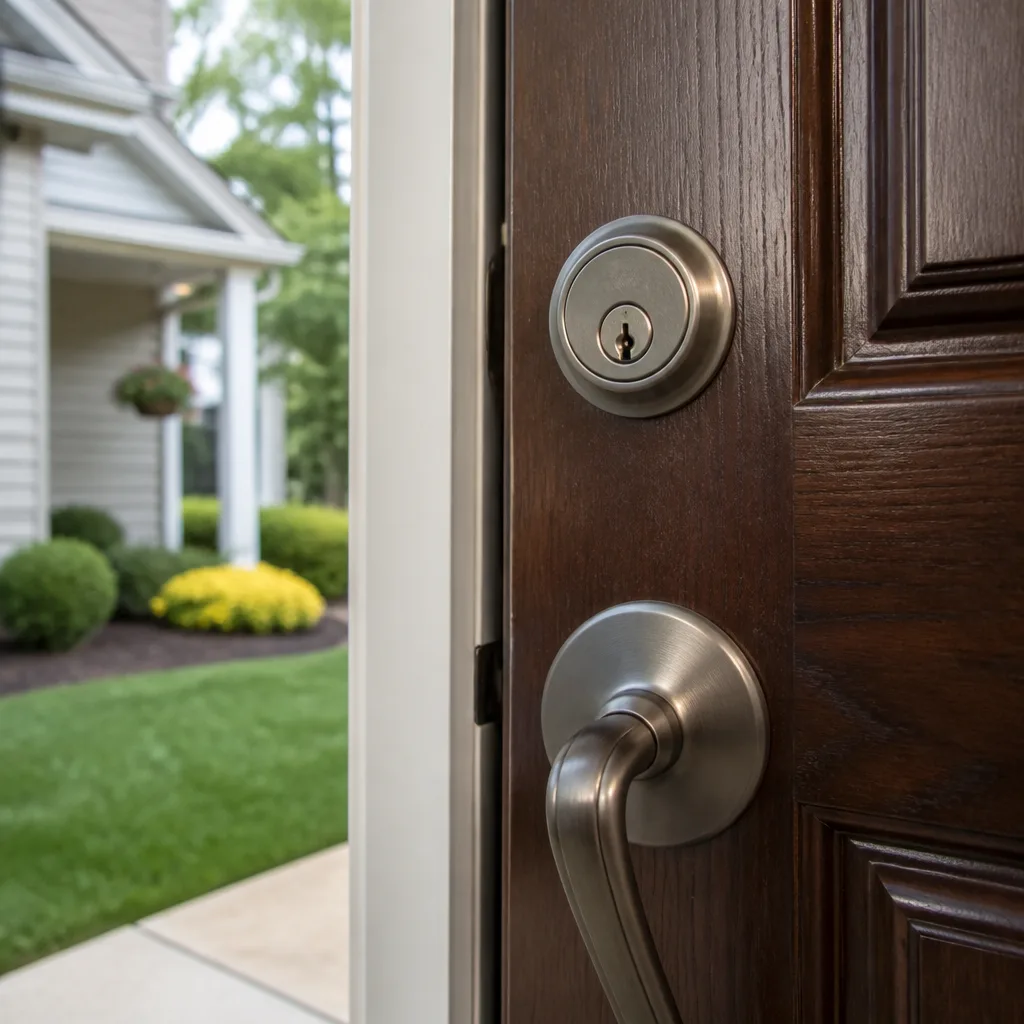 Deadbolt upgrades
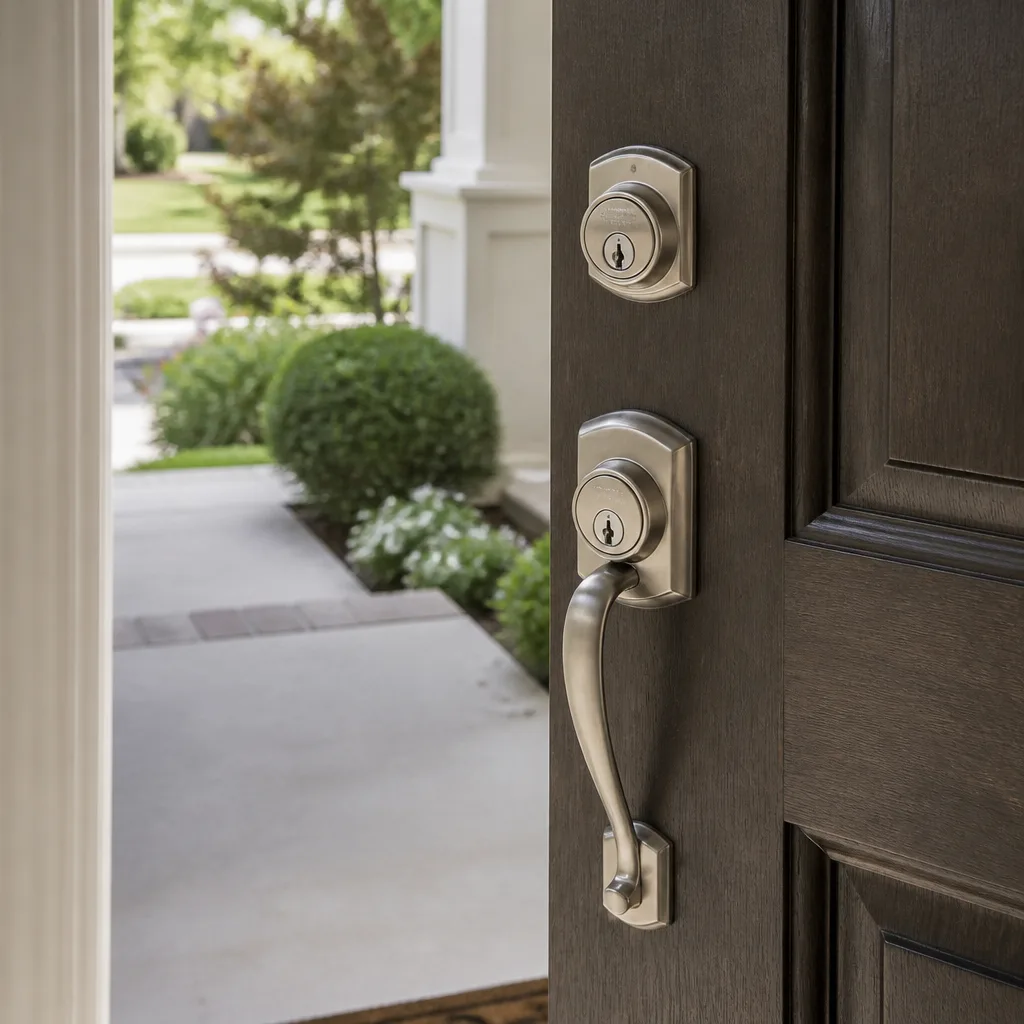 Schlage
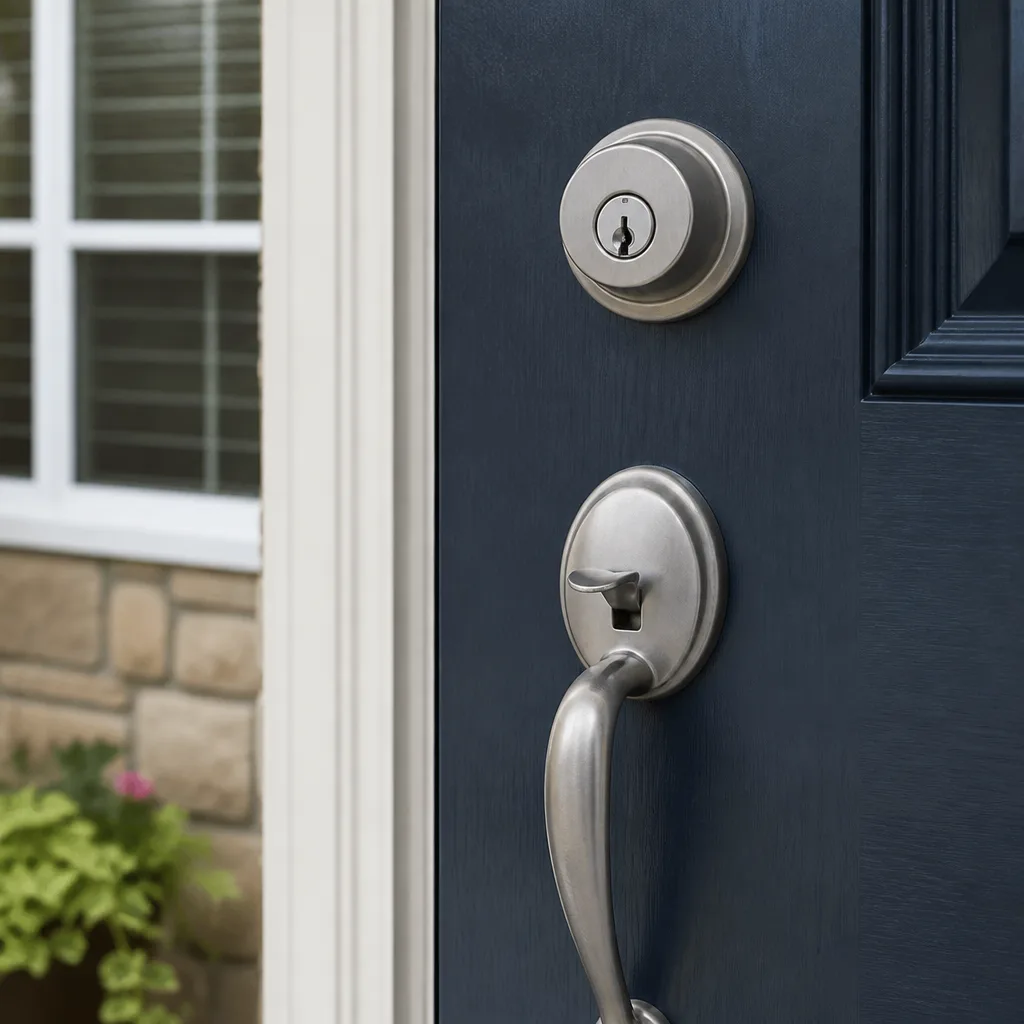 Kwikset
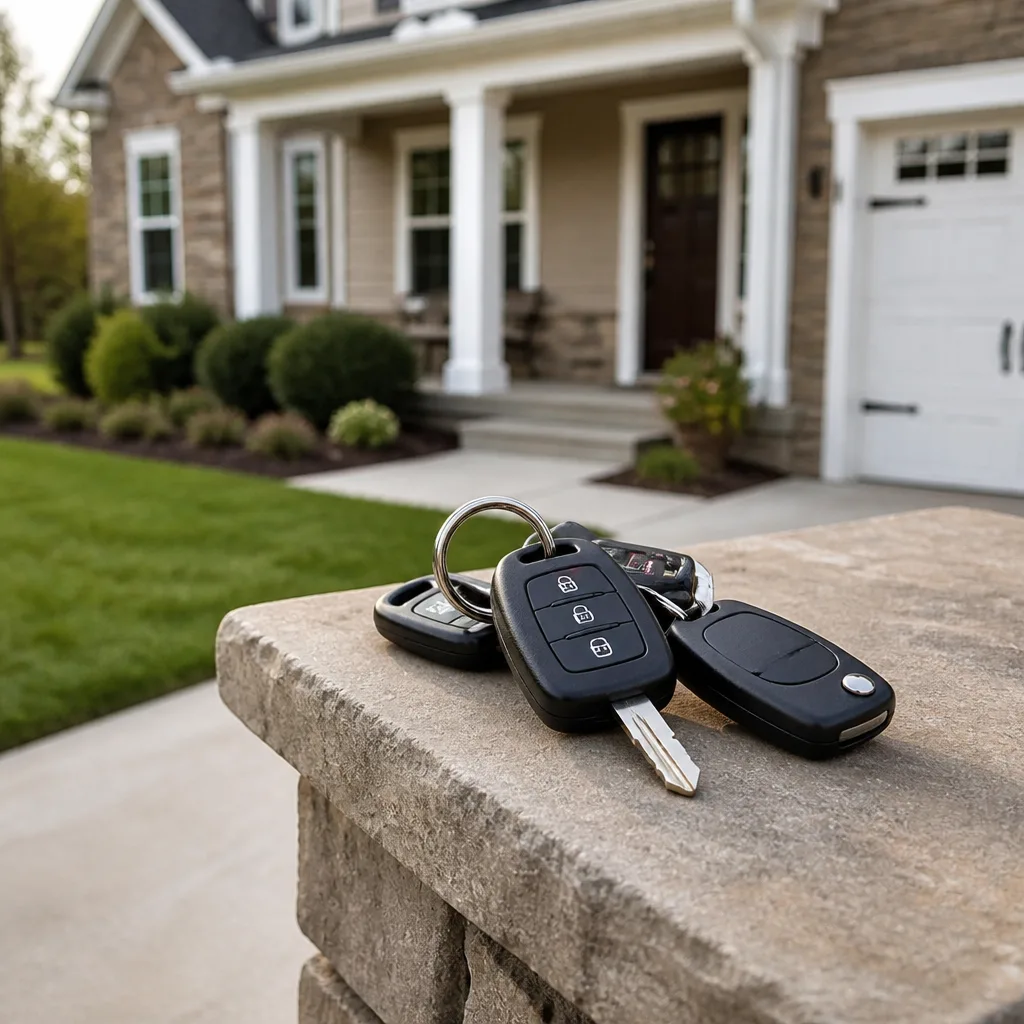 Car keys & fobs
Non-destructive entry first, always - and we re-key Schlage, Kwikset, and Baldwin locks on the spot while you watch
You get a price before we start. It does not change when we arrive. No surprises.
Get your free estimateThe Complete Guide to Locksmith in San Francisco
Walk down any block in the Haight, the Mission, or Pacific Heights and you will pass buildings that are 80, 100, sometimes 120 years old. Behind those ornate front doors sit an astonishing variety of lock hardware: original mortise locksets from the 1920s, doorknob cylinders installed in the 1980s, and smart deadbolts bolted on last year by a tenant who watched three YouTube tutorials. The average San Francisco flat has at least three different lock generations on its doors, often installed by three different landlords over four decades. Most locksmiths are equipped to handle only one of them competently. This guide explains what actually lives on San Francisco doors, which locks fail and why, what a legitimate locksmith in San Francisco should be able to do, and how to know which service tier your building needs before you ever pick up the phone. For DIY vs Professional Locksmith: The San Francisco Homeowner’s Decision Guide, see our related post.
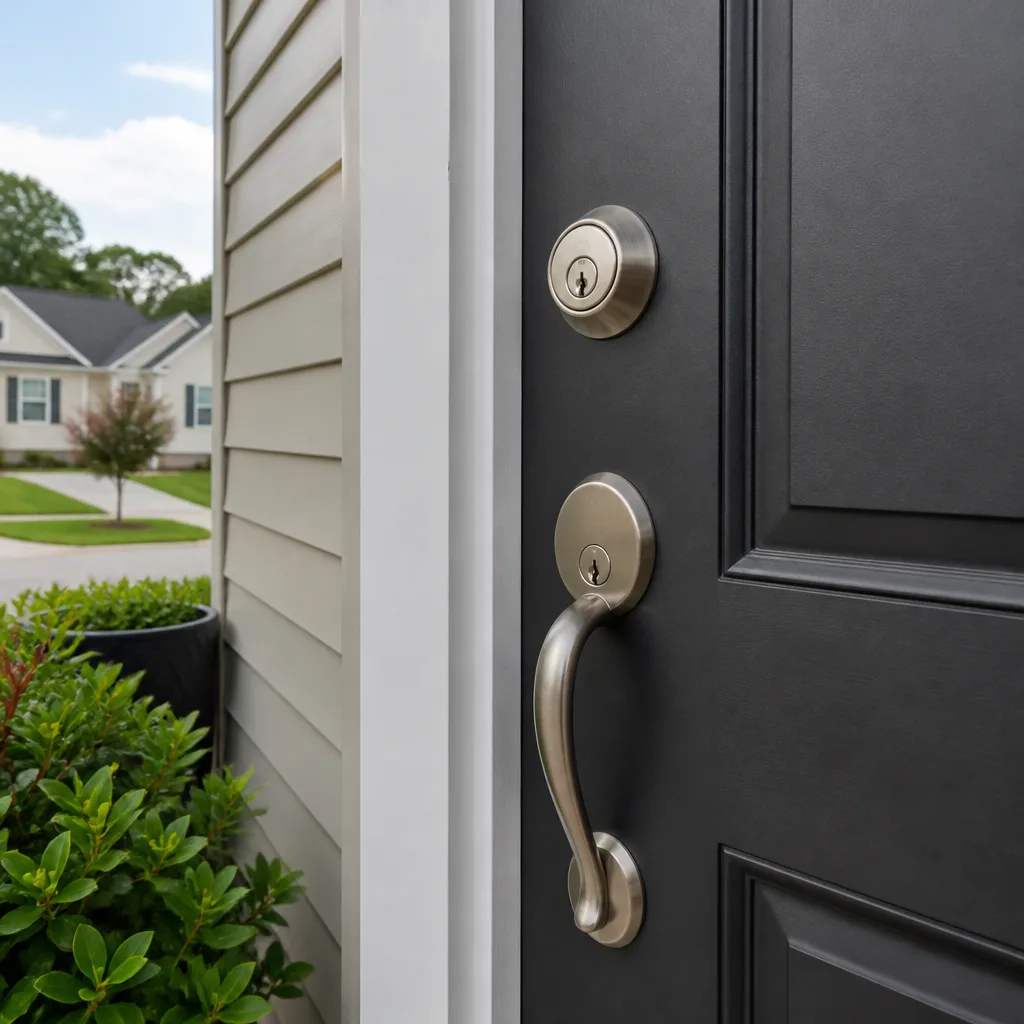
Styles & brands we work with
Quick Answer
A legitimate locksmith in San Francisco must be licensed by the California Bureau of Security and Investigative Services, should be able to service the city’s common lock formats (mortise, tubular, rim, and smart locks), and should quote the full price before dispatch. Citadel Locksmith provides Citadel Locksmith home services across San Francisco, handling rekeying, emergency lockouts, and car key replacement without dealership markup.
Table of Contents
- The San Francisco Lock Landscape: What’s Actually On These Doors
- Victorian Hardware and Why It Demands a Specialist
- San Francisco’s Transient Renter Reality and Rekeying Schedules
- HOA Condos, Multi-Tenant Entry Systems, and the Right Locksmith
- Licensing and Bonding: Separating Real Locksmiths From Scams
- The San Francisco Service-Tier Matrix: Matching Your Property to Capability
- High-Security Lock Systems: What Medeco, Mul-T-Lock, and Abloy Actually Mean
- Automotive Key Replacement: Why the Dealership Is Rarely the Answer
- Common Mistakes to Avoid
- When to Call a Professional
- Frequently Asked Questions
- The Bottom Line
The San Francisco Lock Landscape: What’s Actually On These Doors
San Francisco’s housing stock is older than almost any other major U.S. city, and its locks reflect that layered history. A single walk-up in the Richmond District might have a 1930s mortise lock on the main entry, a 1990s Kwikset knob on the back door, and an August smart deadbolt retrofitted onto a bedroom door by a previous tenant. Each of these formats uses different internal mechanisms, different keyways, and different failure modes. A locksmith who only stocks one brand of replacement parts is going to tell you to replace hardware that could have been serviced and saved. A locksmith who understands the full range can tell you honestly whether your 80-year-old mortise body is worth servicing (often yes, because the brass internals were built better than anything at a big-box store today) or whether a retrofit makes more sense. In our experience across San Francisco, the city’s mix of Victorian, Edwardian, mid-century, and modern construction means the right answer is almost always property-specific, not one-size-fits-all.
Victorian Hardware and Why It Demands a Specialist
San Francisco has more Victorian and Edwardian buildings than any city on the West Coast: roughly 48,000 surviving structures, concentrated in neighborhoods like the Haight, Noe Valley, the Mission, and Alamo Square. These homes were built when the mortise lock was the standard, and many still have their original hardware. A mortise lock is a rectangular metal box that slides into a pocket carved into the edge of a thick wooden door, unlike the modern bored cylindrical lock that fits into a simple round hole. Mortise locks from the 1910s and 1920s used brass and steel internals that, when properly cleaned and lubricated, can outlast modern hardware by decades. But they also have quirks: skeleton-key or bit-key cylinders, nonstandard backset measurements, and strike plates mortised into frames that have shifted as the building settled over a century of earthquakes and fog-season dampness. That dampness matters. San Francisco’s marine air accelerates rust on exposed steel parts, especially on west-facing doors in the Sunset and Richmond. A locksmith who has never worked on a settled 1906-era building will misdiagnose misalignment as lock failure. One who has, like our team at Citadel Locksmith, will adjust the strike plate, re-lubricate the mortise body, and leave original hardware in place wherever it is still serviceable. We service Schlage and Kwikset for standard cylindrical locks, but the older the building, the more likely you need someone who understands vintage mortise work, not just drill-and-replace.
San Francisco’s Transient Renter Reality and Rekeying Schedules
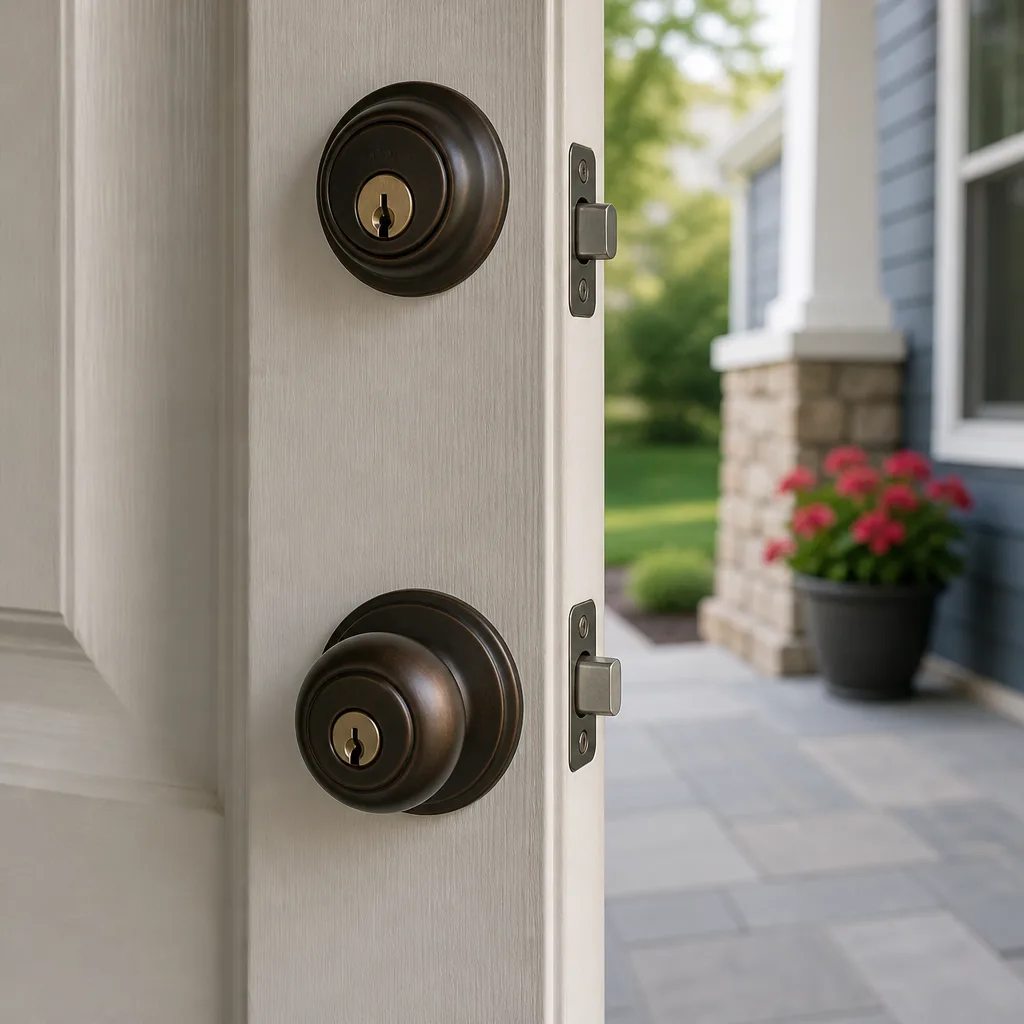
San Francisco has one of the highest renter populations of any major U.S. city: roughly 65% of households rent. That means keys change hands constantly. A key given to a tenant in January might be copied at a Mission hardware store, passed to a roommate, loaned to a partner, and returned to the landlord six months later when the lease breaks. None of those copies are accounted for. Rekeying is the fastest way to take back control of who holds a key. It does not replace the lock hardware; it swaps the internal pins so that old keys stop working and a new key takes over. For a landlord, rekeying between every tenancy is not optional security hygiene, it is a liability baseline. Imagine a former tenant returns unexpectedly, or a subletter who was never on the lease still has a copy. If that key works, the landlord has a serious problem. Our recommendation for San Francisco landlords and property managers: establish a fixed rekeying schedule of at least once per lease cycle, and immediately after any lease break, roommate departure, or lost key event. In multi-unit buildings in the Sunset or Excelsior where tenants share common areas, rekey the common entry and any shared storage spaces at the same time, not just the individual unit. If you are a renter in San Francisco, you have the legal right under California law to rekey your unit for your own security, though you are typically required to provide the landlord with a working key. We rekey locks across San Francisco and can set up a recurring schedule for property managers who do not want to think about it every turnover: Rekey Locks in Mountain View describes our approach in a neighboring city, and we do the same work here in San Francisco daily.
HOA Condos, Multi-Tenant Entry Systems, and the Right Locksmith
San Francisco’s condo conversion boom of the 1980s and 1990s, plus newer construction in Mission Bay, SoMa, and Dogpatch, created a second lock landscape: HOA-governed buildings with common entry systems. These buildings are not like Victorian flats. The front door may be controlled by an intercom or fob system, the parking garage gate by a remote, the bicycle storage room by a master-keyed deadbolt, and the individual unit door by a standard Schlage or Kwikset cylinder. The locksmith problem here is jurisdictional: who is allowed to touch what. In most HOAs, the common-area locks are the association’s responsibility, and the unit door lock is the owner’s or renter’s responsibility, but the two interact. A master key system, for instance, is designed so a single building master key opens the common entry, the trash room, and maybe the utility closets, but not individual units. We have seen San Francisco buildings where an amateur locksmith rekeyed a single unit door on a master-keyed system and accidentally broke the master key hierarchy, forcing the HOA to pay for a full rekey of the building just to restore order. That is a four-figure mistake caused by a $75 job. If your San Francisco condo has any of the following, you need a locksmith who does not just do lockouts: a master-keyed entry system, fob or intercom-controlled common doors, commercial-grade mortise locks on fire doors, or common-area storage with restricted keyways. Ask the locksmith directly if they work with master key systems and multi-tenant buildings. A qualified answer is yes and a qualified explanation follows. A blank stare is your cue to end the call.
Licensing and Bonding: Separating Real Locksmiths From Scams
Locksmith licensing in California is handled by the Bureau of Security and Investigative Services (BSIS), and the state requires a locksmith company to hold a valid Locksmith Company license and each locksmith employee to hold a valid Locksmith Employee registration. This is not a recommendation; it is California Business and Professions Code. The license exists partly because locksmiths deal with the means of access to homes, cars, and businesses, and the state wants a chain of accountability. When you hire a licensed San Francisco locksmith, you are hiring someone whose identity is registered with the state and whose company carries a bond. When you hire an unlicensed operator from a flyer stuck to the Muni shelter, you are hiring someone with no verifiable identity and no financial recourse if the work is botched. San Francisco has a well-documented problem with locksmith bait-pricing: ads that quote $19 or $29 service calls, then the tech arrives and the price becomes $300 before the drill comes out. The telltale signs are consistent: no California license number in the ad, a generic call center answer instead of a company name, a technician who arrives in an unmarked personal vehicle, and prices quoted as “starting at” without any upper bound. A legitimate locksmith in San Francisco gives you a company name, a verifiable California license number, and a full price before dispatch. We quote the full price on the phone before anyone is sent out, and that is the price on the invoice when the work is done. No surprise charges, no add-on fees on arrival. San Francisco residents should treat that as the baseline requirement, not a selling point.
The San Francisco Service-Tier Matrix: Matching Your Property to Capability
Not every locksmith is right for every San Francisco property. We have found it useful to think in three capability tiers. Here is the matrix we use when helping customers decide what they actually need:
- Tier 1: Basic Cylinder and Lockout Work. Handles standard Schlage and Kwikset cylindrical locks, residential lockouts, simple rekeys on modern doors. Appropriate for: newer construction in Mission Bay, Dogpatch, and SoMa, plus standard apartment doors anywhere in the city. Not appropriate for: Victorian hardware, master-keyed HOAs, high-security systems.
- Tier 2: Mortise and Multi-Brand Hardware Competency. Comfortable with vintage mortise locks, Sargent and Yale commercial-grade hardware, and Baldwin premium residential hardware. Appropriate for: Victorian and Edwardian homes in the Haight, Noe Valley, Alamo Square, and Pacific Heights, plus upscale remodels in Presidio Heights and Sea Cliff. Not appropriate for: high-security restricted keyways or complex master systems.
- Tier 3: High-Security and Master System Fluency. Trained and equipped to service Medeco, Mul-T-Lock, and Abloy cylinders, install and maintain master key hierarchies, and handle complex multi-tenant entry systems. Appropriate for: HOA condo buildings across San Francisco, commercial storefronts in Union Square and North Beach, and any property owner who wants pick-resistant, drill-resistant, key-copy-protected hardware.
Most San Francisco locksmiths operate almost entirely in Tier 1. That is fine for a lockout on a modern apartment door. It is not fine when the job is a 1920s mortise lock in the Haight that needs the strike plate adjusted after a century of settling, or a master-keyed building in Nob Hill where one rekey can break an entire key hierarchy. We work across all three tiers, from basic Schlage and Kwikset rekeys to high-security cylinder service on Medeco, Mul-T-Lock, and Abloy systems, plus Sargent and Yale commercial hardware. Not all locksmiths speak Medeco or Abloy. We do.
High-Security Lock Systems: What Medeco, Mul-T-Lock, and Abloy Actually Mean
Most San Francisco residents have never heard the words Medeco, Mul-T-Lock, or Abloy until someone recommends them or a break-in forces the question. These are the three high-security lock brands we service and install, and they represent an entirely different category from the Schlage or Kwikset lock at the hardware store. The core difference is key control and pick resistance. A standard Kwikset cylinder can be picked in seconds by someone with moderate skill and a YouTube education. A high-security cylinder uses angled cuts, sidebars, rotating discs, or multiple locking mechanisms that make picking dramatically harder. More importantly, the key blanks are patented or restricted, meaning you cannot walk into a San Francisco hardware store and get a duplicate cut. Only authorized dealers can cut keys, and each cut is tracked. For a San Francisco renter who suspects a former roommate copied a key, or a homeowner on a block that has had a break-in pattern, restricted key control is the single most meaningful upgrade available. The tradeoff is cost: high-security cylinders and keys are more expensive than standard hardware, and you must go through an authorized dealer for duplicate keys. We are trained and equipped to service Medeco, Mul-T-Lock, and Abloy across their respective ecosystems, and we recommend them for specific San Francisco scenarios, not universally. A Pacific Heights single-family home with original Baldwin hardware and no breaking history probably does not need an Abloy retrofit. A Mission district apartment where keys have circulated among seven roommates over two years absolutely does. The right recommendation starts with the security reality of your specific situation, not with a product pitch.
Automotive Key Replacement: Why the Dealership Is Rarely the Answer
Auto key replacement is one of the most quietly expensive services most San Francisco drivers will ever need, and the dealership model is the reason. Modern car keys contain a transponder chip that must be programmed to the vehicle’s immobilizer. Without that programming, the key turns but the engine will not start. Dealerships know this and price accordingly: $250 to $600 for a key fob replacement, plus towing if the car is stranded, plus a wait that can stretch for days while a key is ordered. We have replaced keys in San Francisco for drivers who were quoted $500 at a dealership the same morning. We handle car key replacement across the city with the same cutting and programming equipment dealerships use, without the dealership pricing model. That includes transponder keys, proximity fobs, and more recent push-to-start systems. We also cut emergency keys for older vehicles that do not use transponders. For a San Francisco driver with street parking in the Richmond or a garage spot in a Mission Bay tower, losing a car key is a full stop. You cannot get to work, you cannot move the car for street cleaning, and if the key is lost near the car, the car is at risk. One call covers your car, your home, and your emergency. Car Key Replacement in Mountain View explains our mobile service approach in depth; we bring the same equipment to San Francisco driveways and garages every day.
Common Mistakes to Avoid
- Calling the cheapest ad without checking the California license. San Francisco’s locksmith scam ecosystem is real and persistent. A $19 service call ad is a quote for the drive, not the work. Always verify the company’s California locksmith license before you let anyone touch your door or car.
- Replacing a vintage mortise lock when it only needs service. Original mortise hardware in a 1920s Haight Victorian is often higher quality than a new big-box lock. A qualified locksmith should service and adjust before recommending replacement. Replacing original hardware with a modern budget lock can also harm the door’s appearance and value.
- Rekeying one unit door on a master-keyed system without understanding the hierarchy. In HOA buildings, individual unit locks may be part of a larger master key system. A careless rekey can break the master key or compromise common areas. Always confirm whether your building has a master system before scheduling rekeying.
- Ignoring the fog climate when choosing hardware. West-facing doors in the Sunset and Richmond get hammered by marine air year-round. Uncoated steel deadbolt internals rust faster here than they would in Oakland or Walnut Creek. Ask about corrosion-resistant finishes and proper interior lubrication.
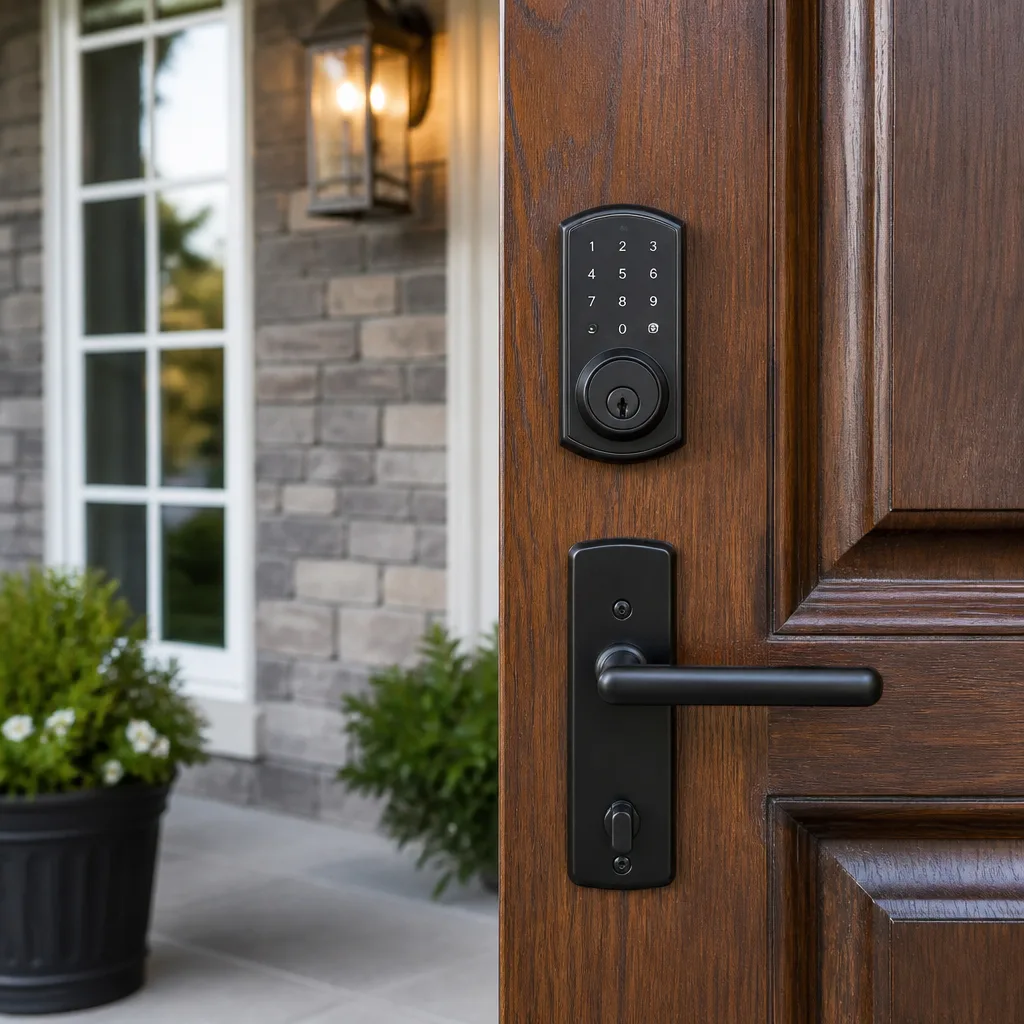
- Treating smart locks as a security upgrade without upgrading the cylinder. A smart deadbolt is only as secure as the key cylinder inside it. If the smart lock has a standard Kwikset-compatible cylinder, anyone who can pick a Kwikset can still get in. Pair smart convenience with a high-security cylinder if security is the actual goal.
- Letting a landlord or previous owner hand you a key without rekeying. Every key that has ever been handed out remains a potential access point until the pins change. New home, new rental, new business space: rekey before you move anything in.
- Drilling out a lock before checking if it can be saved. Drilling is a last resort, not a first step. A competent locksmith can pick or bypass most residential locks nondestructively, saving you the cost of replacement hardware. If a locksmith reaches for the drill in the first two minutes, that is a red flag.
When to Call a Professional
Some lock situations are phone calls; some are judgment calls. You should call a professional locksmith immediately if you are locked out of your home or car in San Francisco and cannot safely wait, if your key broke off in the lock, if you have just moved into a new home or ended a lease, if you have reason to believe a former tenant, roommate, or partner may still have access, if your door lock is jammed and you cannot secure the property, or if you are considering an upgrade to high-security hardware and want an informed opinion rather than a guess. Attempting high-tension repairs on vintage door hardware, especially on a settled San Francisco frame, can damage the door beyond the cost of the lock itself, and damaged entry hardware leaves your home unsecured overnight. That is the worst possible outcome of a DIY attempt. Emergency Locksmith in Mountain View describes how our rapid-response system works; the same system serves San Francisco. Citadel Locksmith offers free estimates in San Francisco: call (833) 589-8078 and we will walk you through exactly what the job should cost before anyone is dispatched.
Frequently Asked Questions
Locksmith pricing in San Francisco varies by service type. A simple residential rekey typically runs $75 to $180 including the labor and new keys, a lockout service call usually $95 to $200, and high-security cylinder installation varies by brand and cylinder type. Mobile car key replacement typically runs $150 to $400 depending on the vehicle’s year and key type. These are real ranges that reflect San Francisco’s labor market and service costs, not bait-pricing teasers. The full price should be quoted on the phone before anyone is dispatched, and that is the price on the invoice. Call (833) 589-8078 for an exact quote: estimates are free.
With Citadel Locksmith, yes. We quote the full price before dispatch, and the invoice matches the quote unless the customer adds work mid-job or the job reveals a different condition than described. Bait-pricing scams are common in San Francisco, which is why we make this commitment explicit. If you call and describe your lock or car accurately, the price we quote is the price you pay. Call (833) 589-8078 and test us: we will tell you the real number before we hang up.
Emergency response in San Francisco depends on your neighborhood, the time of day, and current dispatch volume. We prioritize lockouts and security emergencies and respond as quickly as San Francisco traffic and parking conditions allow. If you are locked out with a pet inside or a stove on, tell the dispatcher immediately. For non-emergency work like rekeying or hardware upgrades, we schedule same-week appointments. Call (833) 589-8078 for current availability in your neighborhood.
Ask for the company’s California Locksmith Company license number, which can be verified online through the Bureau of Security and Investigative Services. A real locksmith gives you this number without hesitation and it appears on invoices and marketing materials. A scam operator will avoid the question, change the subject, or claim the license is “pending.” In San Francisco, any locksmith doing business without a valid California license is operating illegally. We hold the required state licensing and we are always prepared to verify it.
Under California law, tenants have the right to install or rekey locks on their unit for personal security. However, the landlord is generally entitled to a working copy of the new key, and the lease may contain specific notification requirements. We recommend reviewing your lease terms and notifying the landlord in writing before rekeying. If the landlord disputes it, we can provide documentation of the rekey and duplicate key. Call (833) 589-8078 to discuss your specific situation.
Only if the cylinder inside is upgraded along with the smart features. The smart electronics control access through an app, but the physical key cylinder remains a point of attack. A smart deadbolt with a standard cylinder can be picked just as easily as any standard lock, and many smart lock models use standard Kwikset or Schlage keyways. Pair a smart lock with a high-security cylinder like Medeco, Mul-T-Lock, or Abloy, and the convenience and security work together. Otherwise, you have upgraded convenience, not security. Citadel Locksmith can evaluate your current hardware and recommend the right pairing. Call (833) 589-8078.
The Bottom Line
San Francisco’s locksmith needs are shaped by its buildings: Victorian mortise locks that have survived earthquakes and fog for a century, HOA master systems that demand precision, rental turnover that demands constant rekeying, and a scam landscape that punishes the uninformed. The right locksmith in San Francisco is one with a verifiable California license, honest full-price quoting, and the multi-brand competency to handle everything from a Kwikset rekey to a Medeco high-security cylinder. Whether you need a lockout response in the Mission at midnight, a rekeying schedule for your rental portfolio in the Sunset, or a high-security upgrade in Pacific Heights, the standard should be the same: a professional who tells you the truth, quotes the full price, and does the job right the first time. Fortress-level security, neighborhood-level service. That is the standard we work to every day. Explore more guides & resources on San Francisco locksmith services. Call (833) 589-8078 for a free estimate, and we will tell you exactly what the job costs before anyone gets in a van.
Written by the team at Citadel Locksmith, serving San Francisco since 2011.