

Last updated October 31, 2026
 House lockouts
 Re-keying
 Deadbolt upgrades
 Smart locks
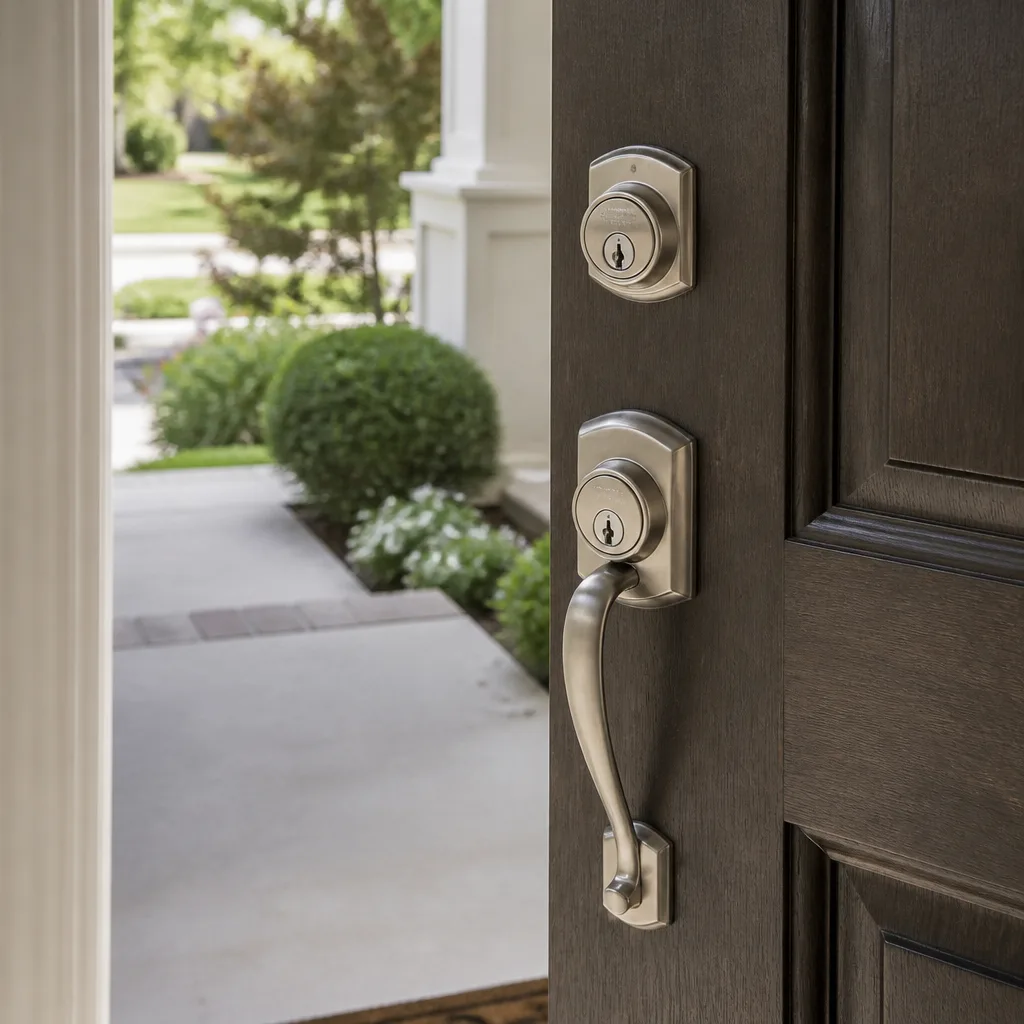 Schlage
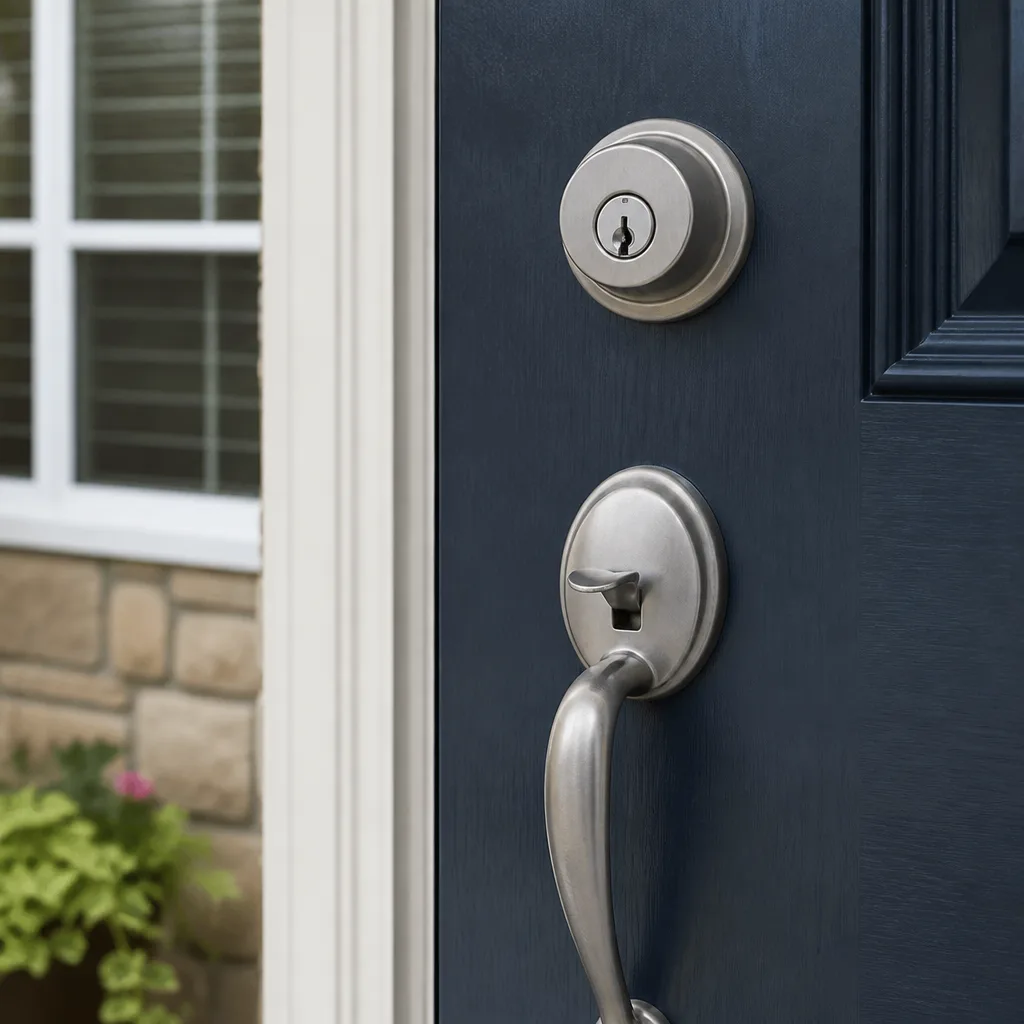 Kwikset
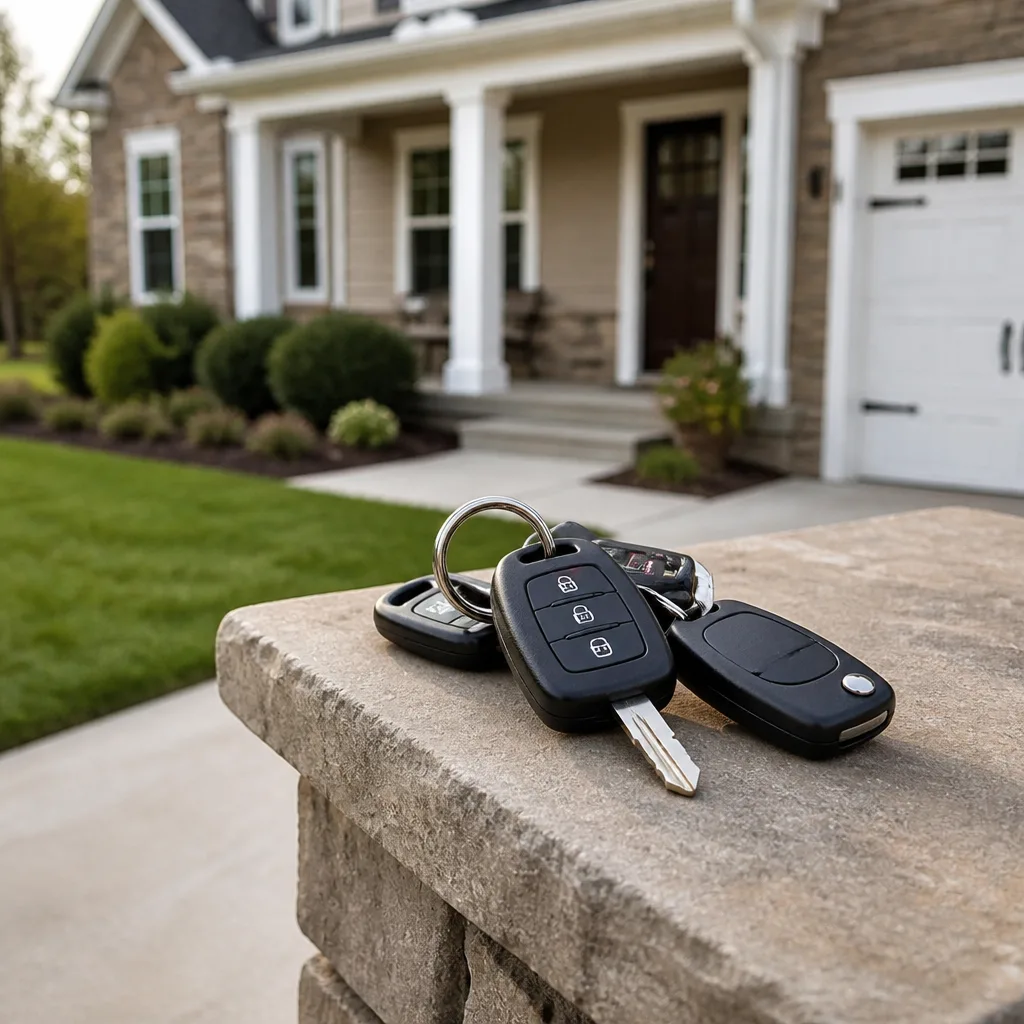 Car keys & fobs
Non-destructive entry first, always - and we re-key Schlage, Kwikset, and Baldwin locks on the spot while you watch
You get a price before we start. It does not change when we arrive. No surprises.
Get your free estimateCar Key Replacement Troubleshooting: Common Problems and How to Fix Them
A key that won’t start your car after replacement isn’t a defective key 90% of the time. It’s a skipped programming step or a secondary immobilizer issue the technician didn’t account for, and knowing the difference saves you from paying twice. In San Francisco, where many drivers park on steep hills and rely on their vehicles for both commuting and weekend escapes, a car key failure doesn’t just strand you. It disrupts your entire week. Our Complete Car Key Replacement Guide for San Francisco Homeowners walks you through the diagnostic sequence professional locksmiths use, so you can identify exactly where your replacement key went wrong before you spend another dollar.
Quick Answer
Most car key replacement failures come down to one of three stages: the mechanical cut, the transponder sync, or the vehicle’s immobilizer/ECU recognition. Start by confirming the key turns in the door and ignition (mechanical), then verify the transponder chip was programmed (sync), and finally check whether the car’s computer is rejecting the signal (immobilizer). Each stage has distinct symptoms, and fixing the right one usually costs far less than starting over.
Styles & brands we work with
Table of Contents
- Why Your New Key Turns But Won’t Start: Mechanical Cut vs. Transponder Sync
- The Three-Stage Troubleshooting Sequence Every Driver Should Know
- Dead Fob vs. Desynced Fob vs. Hardware Fault: How to Tell the Difference
- When a Replacement Key Works Intermittently: The Antenna Ring Problem
- When a Second Programming Attempt Fixes It (and When It Won’t)
- Common Mistakes to Avoid
- When to Call a Professional
- Frequently Asked Questions
Why Your New Key Turns But Won’t Start: Mechanical Cut vs. Transponder Sync
We see this exact scenario at least a few times every month in San Francisco: a customer gets a replacement key cut, the key slides into the ignition and turns smoothly, but the engine won’t crank. The immediate assumption is that the new key is defective or the locksmith made an error in the cut. That assumption is almost always wrong.
If the key turns the ignition cylinder without resistance, the mechanical cut is fine. The problem lives in the transponder chip inside the key head. Modern vehicles built in the last two decades carry an embedded RFID chip that broadcasts a unique code to the car’s immobilizer system. If that chip was never programmed, or was programmed to the wrong vehicle protocol, the car’s computer refuses to start the engine even though the physical key turns perfectly.
The reason this confusion happens so often is that the mechanical and electronic functions of a car key operate independently. A key can be cut to perfectly match your ignition cylinder and still be electronically invisible to your car. Conversely, a key with a properly programmed transponder won’t help if the mechanical cut is even slightly off.
So how do you know which one you’re dealing with? Here’s the simple test sequence:
- Door test first: Try the new key in the driver’s side door lock. If it turns the door lock, the mechanical cut is good. If it doesn’t, the cut is wrong.
- Ignition test second: Insert the key and turn to the “ON” position without cranking. If it turns, mechanical is fine. If it sticks or won’t turn at all, the cut is wrong.
- Dashboard observation: Watch for a security light, key icon, or flashing immobilizer warning on the dash. If you see one while attempting to start, the transponder is not communicating.
- Attempt to start: If the engine cranks and then dies or the car refuses to crank at all with a security light on, you have a transponder or immobilizer issue, not a cut issue.
Most independent locksmiths and many dealerships in the Bay Area can diagnose this in under ten minutes. The key distinction is knowing that “turns but won’t start” points to electronics, not metal.
The Three-Stage Troubleshooting Sequence Every Driver Should Know
Car Key Replacement services are a diagnostic discipline, not a purchase decision. When a replacement key fails, the problem nearly always lives in one of three stages. Understanding them means you can describe your issue accurately over the phone and avoid paying for fixes you don’t need. We use this exact sequence when diagnosing key failures across San Francisco and the wider Peninsula.
Stage 1: Mechanical Cut Accuracy
The first stage is the physical blade. A key that’s cut even half a millimeter off will struggle or fail in the ignition cylinder. Symptoms of a cut failure include a key that won’t fully insert, gets stuck, or requires wiggling to turn. If the key turns the door lock but not the ignition, the ignition cylinder may be worn rather than the cut being wrong. San Francisco’s coastal air accelerates corrosion on older ignition cylinders, which is something we factor into diagnostics for cars parked near Ocean Beach or the Marina.
Stage 2: Transponder Sync
The second stage is the electronic handshake between the transponder chip and the car’s receiver. If the key turns but the car won’t start, and you see a security light, this is your stage. Transponder programming requires the right equipment and the right protocol for your specific make, model, and year. A key programmed with generic software may not sync to vehicles that use rolling codes or encrypted protocols. This is where a locksmith who works across multiple key platforms has a real advantage.
Stage 3: Immobilizer / ECU Conflict
The third stage is the vehicle’s computer itself. Even when the key is cut correctly and the transponder is programmed properly, the car’s ECU may reject the key because the immobilizer has stored conflicting data. This happens most often when multiple keys have been programmed over time, or when a previous programming attempt was interrupted halfway through. An ECU-level conflict typically requires a full reset or a reflash of the immobilizer module. In some cases, especially with newer European makes, the dealership is the only entity with the software access to complete that reset.
When you know which stage failed, you know what kind of fix you’re asking for. Stage 1 is usually a recut. Stage 2 is a reprogramming. Stage 3 may require a professional locksmith with advanced diagnostic tools or a trip to the dealer. The cost difference between a Stage 2 fix and a Stage 3 fix can be hundreds of dollars, which is why accurate diagnosis matters.
Dead Fob vs. Desynced Fob vs. Hardware Fault: How to Tell the Difference
Key fobs fail in three distinct ways, and conflating them is the most expensive mistake a driver can make. Here’s how to separate them.
A dead fob means the battery has no charge left. Symptoms include no response at all, no LED light on the fob when you press a button, and no lock or unlock response even from two feet away. The fix is a battery replacement, which costs a few dollars and takes about a minute. This is a $3 problem, not a locksmith visit.
A desynced fob still has a working battery and functioning buttons, but the fob and the car have fallen out of sync. You might see the LED light on the fob, and the fob might even work intermittently, but the car doesn’t consistently respond. This can happen after a battery change, after the car’s battery died, or after another key was programmed. A desynced fob usually requires a re-sync procedure that varies by manufacturer. Some cars let you do this manually with a sequence of ignition and door-lock actions. Others require a diagnostic tool to re-register the fob.
A hardware fault is the rarest of the three. This means the internal circuit board, the buttons, or the transponder chip itself has failed physically. Symptoms include a fob that works only when pressed in a certain spot, buttons that feel spongy or unresponsive, or a fob that stopped working after being dropped or exposed to water. Hardware faults almost always require a replacement fob and programming.
Here’s the diagnostic order we recommend:
- Check the LED: Press a button. Does the fob show any light? If no light, replace the battery first.
- Test the spare: If your second key works normally, the problem is isolated to the one fob, not the car’s receiver.
- Test the emergency blade: Pull the physical key from the fob and try it in the door. If the blade works, the fob electronics are the issue.
- Test range: If the fob works only at close range or only sometimes, suspect desync rather than death.
In our experience serving San Francisco drivers, roughly half of fob calls turn out to be a dead battery that the owner could have fixed at home. The other half split between desync and genuine hardware failure. Knowing which one you’re dealing with before you call saves everyone time.
When a Replacement Key Works Intermittently: The Antenna Ring Problem
An intermittent key is the most frustrating diagnostic puzzle in car key replacement, and it’s the one scenario where the key itself is usually innocent. When a newly cut and programmed key works sometimes but not others, experienced locksmiths look at the antenna ring around the ignition cylinder, not the key.
The antenna ring, sometimes called the transponder coil or immobilizer ring, is a circular component that sits around the ignition barrel. Its job is to read the transponder chip in your key when the key is inserted. In San Francisco’s damp, salty air, the thin wiring in these rings can corrode or loosen over time. When the ring is degraded, the car reads the key’s code sometimes and misses it other times, producing exactly the intermittent behavior that drives drivers crazy.
Other causes of intermittent key failure include:
- A transponder chip that’s slightly loose inside the key head and shifts position
- A weak battery in a proximity key that hovers near the threshold of read range
- Aftermarket electronics installed near the steering column that interfere with the signal
- Multiple transponder keys on the same key ring creating signal confusion
The diagnostic clue here is the inconsistency pattern. If the key fails only when the car is cold, or only after sitting overnight in a fog-heavy neighborhood like the Outer Sunset, that points to an environmental factor affecting the antenna ring. If it fails only when another key is on the same ring, that’s signal interference. If it fails randomly with no pattern at all, suspect a compromised antenna ring or a flaking transponder chip.
Replacing an antenna ring is a job for a locksmith or auto electrician who has the diagnostic tools to confirm the ring itself is failing rather than the key. We’ve seen drivers spend hundreds on multiple replacement keys when the real fix was a $150 antenna ring replacement.
When a Second Programming Attempt Fixes It (and When It Won’t)
There’s an honest dividing line in car key replacement: the difference between a programming attempt that failed cleanly and one that left the vehicle’s computer confused. Knowing which one you have determines whether a redo will work or whether you’re looking at a dealer-level fix.
A clean failed programming attempt usually means the process was interrupted before the car accepted the new key. Maybe the battery in the car dipped, maybe the diagnostic tool lost connection, or maybe the technician skipped a step in the sequence. In these cases, simply repeating the programming procedure from the beginning often works. The car is still in a stable state, and the new attempt writes the key data cleanly.
A confused ECU is different. This happens when a programming attempt partially completed and left conflicting data in the immobilizer module. The car may recognize the new key but also reject it, or it may lock out all keys, including the originals. Symptoms include none of your keys working after a programming attempt, or the car’s security system behaving erratically. When the ECU is confused, a second attempt with the same tools may make things worse by layering more conflicting data.
The practical rule we use in San Francisco is this: if your original key still works after a failed attempt, a reprogramming redo is worth trying. If none of your keys work, including originals, the car needs an immobilizer reset, and that’s often a dealer-only procedure. The dividing line isn’t about the locksmith’s skill. It’s about the state the programming attempt left your car’s computer in.
Some vehicles, particularly late-model European makes, have tamper protection that locks the immobilizer after a certain number of failed programming attempts. Once that lockout engages, even a perfect key won’t be accepted until the system is reset. This is the scenario where paying a dealership for an ECU reset is the only path forward, and any locksmith who tells you otherwise without diagnostic proof is guessing.
Common Mistakes to Avoid
- Assuming the key is defective when it turns but won’t start. This misdiagnosis leads drivers to pay for a second replacement key when the real issue is transponder programming. Always check the security light on your dash before blaming the key.
- Replacing the battery before testing the LED. If your fob’s LED lights up when pressed, the battery is not the problem. Replacing it anyway wastes time and may cause a desync if done incorrectly.
- Ignoring the antenna ring as a suspect. Intermittent failures are almost always the antenna ring or a loose chip, not a bad key. Replacing the key repeatedly won’t fix an antenna ring that needs replacement.
- Attempting repeated programming with generic tools. Each failed attempt can worsen the ECU’s state. After two failed attempts, stop and get a professional diagnostic read on the immobilizer system.
- Dismissing the door lock test. The driver’s door lock is the fastest mechanical verification you have. If the key works there, your cut is fine, and you can move straight to electronics.
- Buying the cheapest replacement key online without programming support. A key that’s never been programmed to your car is just a piece of metal with a chip in it. The programming is what makes it a car key.
- Waiting until all keys are lost before seeking help. In San Francisco traffic, a lost key at the wrong time can strand you for hours. Having at least one spare key always makes sense, especially for cars with high-security transponders that take longer to program.
When to Call a Professional
Some key problems are safe and practical to fix at home: a dead fob battery, a simple desync with a documented manual procedure, or a loose key ring attachment. Others require a professional with diagnostic equipment and multi-brand programming capability. Call a locksmith when your key turns but the car won’t start and the security light is on, when your key works intermittently without a pattern, when none of your keys work after a programming attempt, or when you need a replacement key for a vehicle with an encrypted transponder system. Citadel Locksmith works with a wide range of key types and vehicle makes across San Francisco, from basic transponder keys to factory-encrypted fobs. Citadel Locksmith offers free estimates in San Francisco – call (833) 589-8078.
Frequently Asked Questions
Car key troubleshooting in San Francisco typically costs $20 to $150 for diagnosis, depending on the complexity of your vehicle’s system. If the fix is a simple battery replacement or fob re-sync, you’ll pay closer to the low end. If the key needs full reprogramming, expect $150 to $350. If the immobilizer or antenna ring needs replacement, the total can run higher. We always quote the full price on the phone before any work begins, and that’s the price on the invoice. Call (833) 589-8078 for an exact estimate.
This is a transponder or immobilizer issue in almost every case. The physical cut is working, but the car’s computer is not recognizing the chip inside the key. A security light on the dashboard is the confirmatory sign. The fix is transponder programming, not a recut.
Yes, in most cases a car key problem can be diagnosed and fixed the same day in San Francisco. Transponder programming and fob re-sync procedures usually take under an hour once the diagnostic is complete. Keys requiring special-order parts or dealer-level ECU resets may take longer, but those are the exception. Call us and we’ll tell you honestly whether your specific situation is a same-day fix.
Yes, at Citadel Locksmith the price we quote on the phone is the price on the invoice. No call-out surcharge added on arrival, no surprise fees after the work is done. We believe you should know the full cost before anyone is dispatched to your San Francisco address.
Ask whether they work with your specific vehicle make and whether they have the programming equipment on hand. A qualified automotive locksmith should be able to explain the three-stage diagnostic sequence and tell you which stage your symptoms point to, as covered in our Choosing the Right Locksmith Brand: A Buyer’s Guide for San Francisco. If they skip diagnosis and immediately sell you a new key, get a second opinion. At Citadel Locksmith, we diagnose first and recommend second.
Intermittent key failure usually points to the antenna ring around your ignition, not the key itself. Other causes include a loose transponder chip or signal interference from another transponder key on the same ring. A professional diagnostic can pinpoint the cause in one visit.
The Bottom Line
Car key replacement troubleshooting is a sequence of checks, not a guessing game. The mechanical cut, the transponder sync, and the immobilizer state are three separate stages, and each fails in its own characteristic way. When a key turns but won’t start, the problem is electronic. When a key works intermittently, suspect the antenna ring. When a fob does nothing at all, check the battery before anything else. And when programming fails, know whether you’re dealing with a clean failure or a confused ECU. The right diagnosis saves you from buying the wrong fix. For car key troubleshooting in San Francisco, the Car Key Replacement in Mountain View page covers our nearby service area. For lock-related home needs, see Rekey Locks in Mountain View and Emergency Locksmith in Mountain View. And for the full scope of what we do, visit the Citadel Locksmith home page.
Written by the team at Citadel Locksmith, serving San Francisco since 2011. For more guides & resources, visit our blog.