
Last updated October 31, 2026
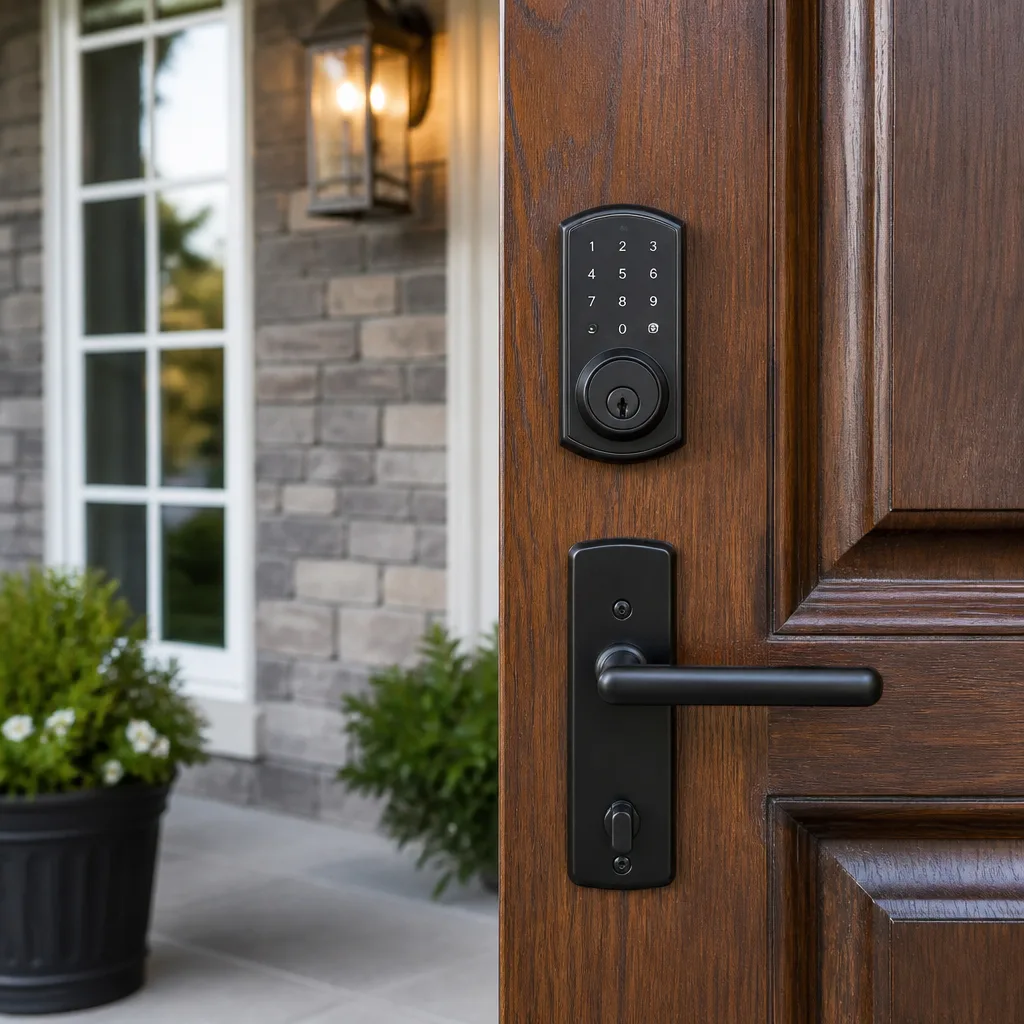 Smart locks
 House lockouts
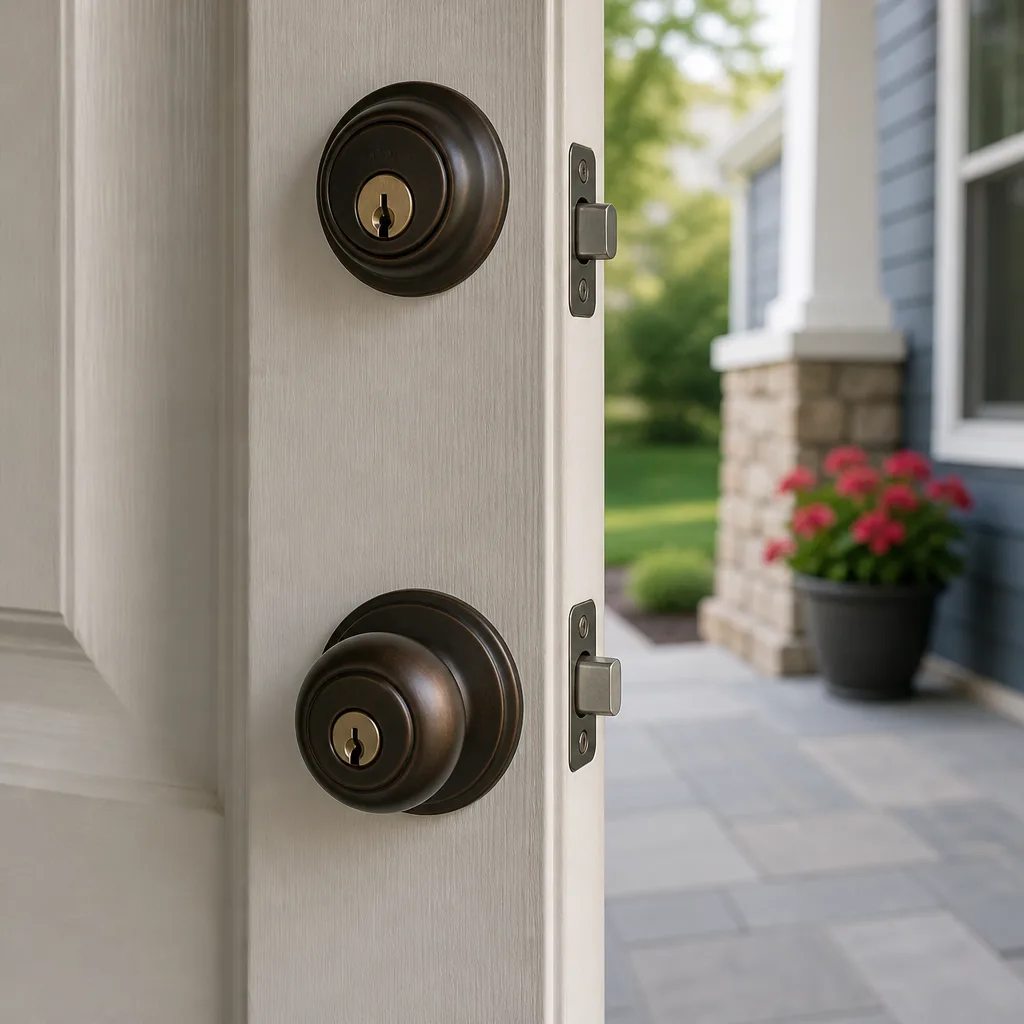 Re-keying
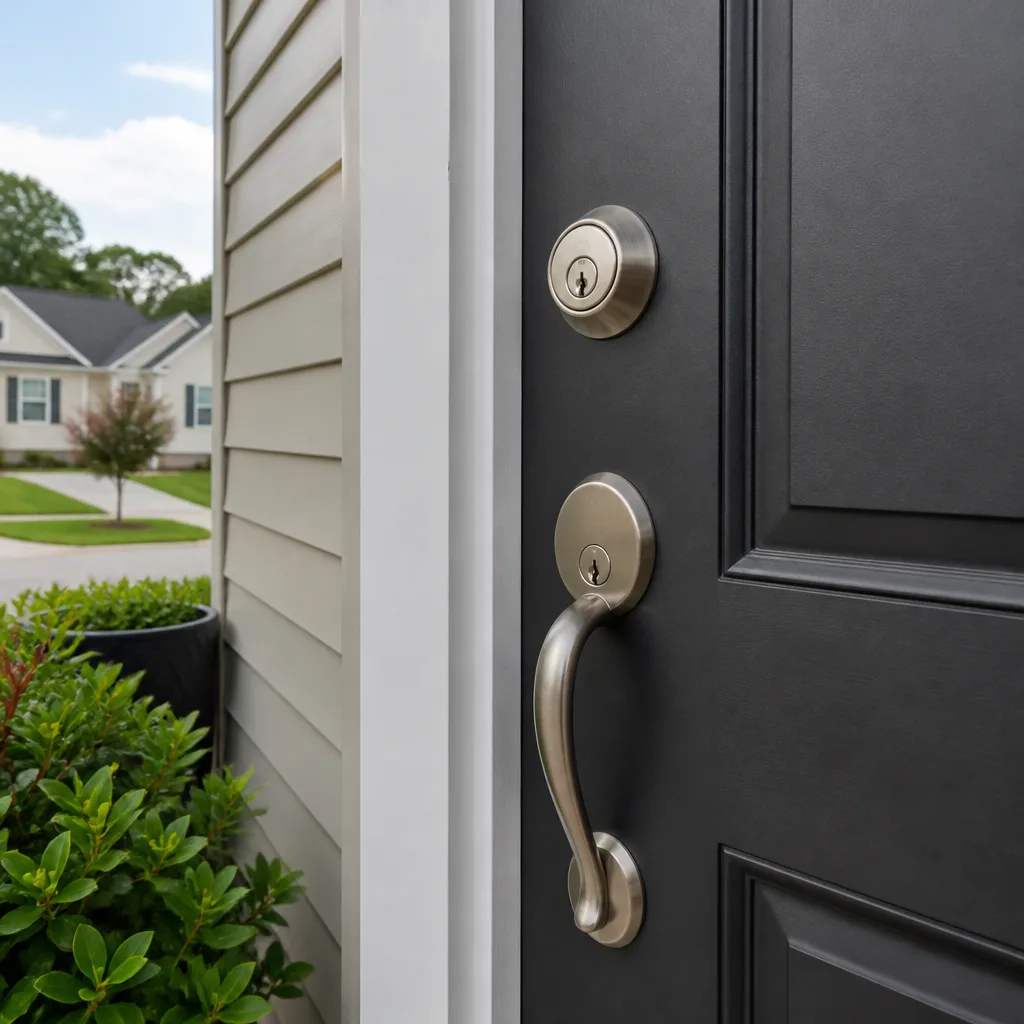
 Deadbolt upgrades
 Schlage
 Kwikset
 Car keys & fobs
Non-destructive entry first, always - and we re-key Schlage, Kwikset, and Baldwin locks on the spot while you watch
You get a price before we start. It does not change when we arrive. No surprises.
Get your free estimateLocksmith Cost Breakdown: The San Francisco Homeowner’s Reference for 2026
In San Francisco, a standard deadbolt re-key that costs $35 at 2pm on a Tuesday can cost $180 at 9pm on a Friday – and neither price is necessarily a scam, because the cost structure behind each is completely different. Most homeowners can’t tell the difference between a fair quote and a padded one because they’ve never seen a locksmith invoice broken into its component parts. This guide strips every layer of San Francisco locksmith pricing down to the studs: dispatch fees, labor rates, parts markup, after-hours multipliers, and the specific local conditions that drive costs higher here than almost anywhere else in the country. By the time you finish reading, you’ll know exactly what you should be paying, what you shouldn’t, and which line items deserve a second look.
Styles & brands we work with
Quick Answer
Most San Francisco locksmith jobs in 2026 cost between $95 and $450 total, with the final number driven by four independent variables: the dispatch or service call fee ($29 – $89), the labor rate ($65 – $120 per hour), parts cost (ranging from $8 for a basic key blank to $175+ for a high-security cylinder), and any after-hours multiplier (1.5x to 2x for nights, weekends, and holidays). A standard daytime residential lockout typically runs $75 – $150, while a full rekey of a single-family home’s exterior doors runs $90 – $250 depending on lock count and cylinder type. Replacing a single deadbolt with quality hardware runs $40 – $120 in parts plus labor.
Table of Contents
- The Line-Item Breakdown: What’s Actually on a San Francisco Locksmith Invoice
- Why San Francisco Locksmith Pricing Runs Higher Than the National Average
- What High-Security Hardware (Medeco, Mul-T-Lock, Abloy) Actually Costs – and Why
- The True Cost of a Lockout vs. a Proactive Spare-Key Program
- Red Flag Pricing Patterns: What Suspicious Quotes Reveal
- Step-by-Step: How to Evaluate a Locksmith Quote in San Francisco
- Common Mistakes to Avoid
- When to Call a Professional
- Frequently Asked Questions
- The Bottom Line
The Line-Item Breakdown: What’s Actually on a San Francisco Locksmith Invoice
Every locksmith invoice in San Francisco is built from the same five components, whether the company itemizes them or not. Understanding these pieces separately is the difference between evaluating a quote with precision and guessing. Here is what each line item covers in 2026, with realistic market ranges for this city:
- Dispatch fee ($0 – $49): Some San Francisco locksmiths roll this into the service call; others charge it separately. It covers the cost of sending a technician out, regardless of whether the job is completed. Reputable shops typically don’t charge this on top of the service call fee – it’s either one or the other.
- Service call fee ($29 – $89): This is the base charge for the technician to show up at your door. In San Francisco, the range skews higher because of bridge tolls, fuel costs, parking fees, and the simple reality that a technician driving from the Outer Richmond to the Bayview is burning 40 minutes of windshield time before work even begins.
- Labor rate ($65 – $120 per hour, sometimes flat-rated): Most residential jobs are flat-rated by the job type rather than billed hourly. A straightforward rekey might carry $85 of embedded labor; a more involved high-security cylinder installation could carry $150. The labor component is where honest price differences between companies show up most clearly.
- Parts and hardware ($8 – $250+): Basic brass key blanks run $3 – $8 each. Quality residential deadbolts from Schlage or Kwikset run $30 – $90. High-security cylinders from Medeco, Mul-T-Lock, or Abloy start around $120 and run past $250. Parts markup in the locksmith trade typically runs 20 – 50%, which is standard for any service business carrying inventory.
- After-hours multiplier (1.5x – 2x on labor and service call, sometimes flat after-hours fee): This is the biggest single cost variable. A 2pm Tuesday job and a 9pm Friday job involve the same physical work, but the Friday job requires paying a technician to be on call, drive across the city at night, and work outside business hours. Multipliers are standard practice across the industry, not a San Francisco anomaly – but the multiplier should be disclosed upfront.
Here is what these components produce in practice for three common San Francisco jobs at 2026 rates:
| Job | Daytime Total | After-Hours Total | What Drives the Difference |
|---|---|---|---|
| Residential lockout (no parts needed) | $75 – $150 | $150 – $300 | Service call + after-hours multiplier |
| Rekey 3 exterior locks (standard cylinders) | $90 – $180 | $180 – $360 | Labor dominates; parts are inexpensive pins and springs |
| Replace 1 deadbolt with Schlage or Kwikset | $120 – $250 | $220 – $450 | Parts cost becomes the largest line item |
| Install 1 high-security cylinder (Medeco, Mul-T-Lock, or Abloy) | $200 – $400 | $350 – $600 | Parts cost + specialized labor for keying and pinning |
In San Francisco’s older housing stock – think row houses in the Mission or Noe Valley built in the 1920s and 1930s – lock replacement frequently involves additional labor for mortise lock retrofits or antique door prep, which adds $25 – $75 in labor beyond the base job. That’s not padding; it’s the reality of fitting modern hardware into doors that predate World War II.
Why San Francisco Locksmith Pricing Runs Higher Than the National Average
San Francisco locksmith prices run 15 – 30% above the national average, and the reasons are structural, not exploitative. Understanding which cost components are genuinely driven by local operating conditions – versus which ones signal padding – changes how you read a quote. Here is what actually drives the San Francisco premium:
- Vehicle operation costs: A locksmith van doing service calls in San Francisco absorbs the highest fuel prices in the continental U.S., plus bridge tolls on any call crossing the Bay, plus commercial parking rates that run $4 – $8 per hour in most neighborhoods. Every service call carries $15 – $30 in direct vehicle overhead that a locksmith in Stockton or Sacramento simply doesn’t face.
- Technician wages and living costs: A competent locksmith technician in San Francisco earns 40 – 60% more than a comparable technician in the Central Valley. That wage differential is reflected in the labor component of every invoice, whether it is itemized or embedded in a flat rate.
- Commercial rent and storage for inventory: Carrying eight lock brands – from entry-level Kwikset and Schlage through high-security Medeco, Mul-T-Lock, and Abloy – requires inventory space. Commercial warehouse and shop space in San Francisco runs among the highest in the nation, and that carrying cost is amortized across every job.
- Response coverage geography: San Francisco’s 49 square miles contain dense commercial corridors, steep residential hills, and neighborhoods with severely constrained parking. A technician responding to a lockout in North Beach at 8pm is paying for metered or garage parking, navigating one-way streets, and potentially walking blocks with tools. The service call fee covers that friction.
- Licensing and insurance compliance: California locksmith licensing, liability insurance, and bonding are mandatory, and insurance premiums for service businesses operating in San Francisco run above state averages. Any locksmith quoting below the realistic floor for this market is either uninsured, unlicensed, or planning to make up the difference through undisclosed add-ons.
What shouldn’t be inflated by the San Francisco premium: parts costs. A Schlage B60 deadbolt costs a locksmith roughly the same whether they’re in San Francisco or Fresno. If a quote shows parts marked up 100% or more above retail, that’s a red flag. Markup of 20 – 50% is reasonable and standard. Markup beyond that deserves a written justification.
What High-Security Hardware (Medeco, Mul-T-Lock, Abloy) Actually Costs – and Why
Not all locksmiths speak Medeco or Abloy – we do, and the cost difference between high-security hardware and entry-level hardware is one of the most misunderstood aspects of San Francisco locksmith pricing. Here is the honest breakdown of what high-security cylinders cost in 2026 and what that premium actually buys:
- Entry-level cylinders (Kwikset, standard Schlage): $20 – $50 in parts. Standard pin tumbler construction, keys duplicate at any hardware store, pick-resistant but by no means pick-proof, drillable by a determined attacker with basic tools in under two minutes.
- Mid-grade cylinders (Schlage Primus, keyed alike systems): $50 – $100 in parts. Harder to pick, restricted key blanks, better drill resistance, but still defeatable by a skilled or equipped attacker.
- High-security cylinders (Medeco, Mul-T-Lock, Abloy): $120 – $275 in parts alone. Pick-resistant to the point that many locksmiths won’t even attempt nondestructive entry without special tooling. Key blanks are patent-protected and only available through authorized dealers, meaning nobody can walk into a hardware store and copy a key. Drill resistance is engineered into the cylinder body. UL 437 rated in many models, meaning they’ve passed independent attack testing.
The security ROI math matters here. A basic deadbolt on a San Francisco front door costs about $45 and offers nominal protection against a determined intruder. A Medeco or Abloy cylinder costs $150 – $250 but closes the copy-key vulnerability entirely – and in a city where landlords, ex-roommates, contractors, and previous tenants have all held copies of front door keys, key control is an underappreciated security asset. Rekeying is the fastest way to take back control of who holds a key, but high-security hardware prevents the problem from recurring every time a key changes hands.
When a San Francisco locksmith quotes $400 for a high-security cylinder installation and $180 for a standard Schlage replacement, the difference isn’t markup – it’s a fundamentally different product category. The parts cost is objectively higher, the labor for precision pinning is more involved, and the key duplication controls add ongoing value. That said, not every door needs a Medeco. We recommend high-security cylinders for front doors and any door accessed by multiple people over time; a standard Schlage or Kwikset remains perfectly adequate for interior doors and back doors with controlled key access.
The True Cost of a Lockout vs. a Proactive Spare-Key Program
Here is a calculation most San Francisco homeowners never run until it’s too late: the cost of a single emergency lockout versus the cost of preventing it. See our Locksmith Emergency Preparedness Guide for San Francisco Homes for deeper prevention strategies. At 2026 San Francisco pricing, the comparison is stark:
- Daytime residential lockout: $75 – $150, and you’re back inside in 30 – 45 minutes. Annoying but manageable.
- After-hours lockout (nights, weekends, holidays): $150 – $300, with the 1.5x – 2x multiplier applying to both the service call and labor.
- Lockout that turns into a rekey (lost keys, not just locked-in keys): Add $60 – $150 to the above. If your keys are genuinely gone – not just sitting on the kitchen counter – a rekey is the only responsible response, because whoever finds those keys potentially has access to your home.
- Drilling a cylinder because no locksmith can pick it or the key is broken in the lock: Add $40 – $90 in replacement cylinder costs plus labor. This turns a simple lockout into a hardware replacement job.
Now the proactive alternative: a spare key program. Cutting three extra keys for your existing locks runs $12 – $24 total. Storing one with a trusted neighbor, one with a family member in the city, and one in a secure location you’ll actually remember costs essentially nothing. If you’re renting, confirming that your property manager has a working copy on file costs zero dollars and five minutes.
The arithmetic is simple. One after-hours lockout with a drilled cylinder in San Francisco can hit $340. A lifetime of spare keys and a neighbor holding a copy costs less than $25. The most expensive locksmith call is the one you could have prevented with fifteen minutes of preparation. We’ve seen this pattern enough times to know that the households with spare-key programs almost never see an emergency locksmith bill, while the households without them tend to see one at the worst possible hour.
For renters specifically: San Francisco’s rental market has high turnover, and landlords frequently rekey between tenants – which means the keys you hold may already be different from the keys the previous tenant gave back. Confirm with your property manager that a rekey happened before you moved in. If it didn’t, requesting one is a reasonable tenant-protection measure, and a professional rekey costs far less than the alternative risk.
Red Flag Pricing Patterns: What Suspicious Quotes Reveal
After looking at thousands of locksmith quotes in San Francisco, certain pricing patterns stand out as warnings – not proof of a bad actor, but signals that deserve a second look before you say yes. Here is what we tell homeowners to watch for:
- The quote that’s 40% below the realistic floor: A $49 lockout in San Francisco during daytime hours doesn’t add up. After vehicle costs, technician wages, insurance, and overhead, nobody is making money at that price – which means the technician plans to make it up on-site. Either the lock gets drilled unnecessarily, hardware gets marked up 200%, or a surprise “labor fee” appears on the final invoice. Legitimate locksmiths in this market don’t run loss-leader pricing on emergency calls.
- The quote with no parts specification: “Deadbolt replacement: $150” tells you nothing about what’s being installed. Is it a $6 import lock that will fail in two years or a Schlage B60 with a lifetime mechanical warranty? A professional quote names the hardware brand and model. If the locksmith won’t tell you what’s going on your door before they arrive, that’s your answer.
- The quote that’s suspiciously high with no justification: A $700 quote for a standard daytime rekey of three locks in a single-family Sunset District home is not a premium price – it’s an attempt. What would justify it? Nonstandard cylinder types, mortise locks requiring disassembly, a high-security keyway conversion, or genuine emergency response in under 30 minutes. If none of those apply, push back and ask for the line-item breakdown.
- The phone quote that won’t hold still: “It depends” is sometimes honest – a lock you can’t see can indeed surprise a technician. But a professional locksmith should be able to quote a firm range for standard jobs based on the information you provide. If the range quoted keeps expanding as you ask basic questions, hang up.
- Cash-only quotes with no invoice: In 2026, a legitimate San Francisco locksmith operation takes cards, provides invoices, and can produce a license number on request. Cash-only arrangements make you invisible if something goes wrong. You want a paper trail for every dollar that changes hands.
One specific San Francisco pattern worth flagging: national dispatch networks that route your call to whoever is available in the area. The phone quote comes from a call center, the actual technician arrives with a different rate sheet, and the final price often has no relationship to what was quoted. Ask whether you’re speaking to the company that will actually show up at your door. If not, get a direct number for the technician before you agree to anything.
Step-by-Step: How to Evaluate a Locksmith Quote in San Francisco
When a San Francisco locksmith gives you a number, here is the sequence we recommend for evaluating it – whether you’re calling us or anyone else:
- Ask for the quote in writing or get it restated clearly on the phone. “Two hundred dollars total, no additional fees” is a firm quote. “Around two hundred” is not. Clarify which you’re getting.
- Break it into components yourself. What’s the service call fee? What’s the labor? What parts are included? A professional locksmith can answer these questions immediately. If they can’t, that’s information too.
- Ask whether the phone quote is the final invoice price. This one question eliminates most on-site surprise charges. The full price should be quoted before anyone is dispatched, and that is the price on the invoice. No call-out surcharge added on arrival.
- Confirm what happens if the job turns out to be more complex than described. A legitimate locksmith will call you, explain what changed, and get your approval before proceeding. A less legitimate one will do the work and then present a higher bill. Get verbal confirmation of this process.
- Check the hardware spec. If parts are involved, ask for the brand and model before the work begins. “A new deadbolt” is not a specification. “A Schlage B60 deadbolt in aged bronze” is.
- Verify licensing on the spot. California locksmiths are required to be licensed through the Bureau of Security and Investigative Services. A professional will provide their license number without hesitation. This one check takes 30 seconds and filters out the worst actors immediately.
For homeowners in the Richmond, Sunset, or Ingleside districts dealing with older homes, ask specifically whether your lock type carries any additional labor considerations before the tech arrives. Mortise locks, rim cylinders, and antique hardware occasionally require more involved disassembly than standard bored cylindrical locks.
Common Mistakes to Avoid
- Accepting the first quote under duress. A lockout at midnight feels urgent because it is – but a 90-second phone call to a second locksmith to verify that $180 quote is not the time-sink you imagine it to be. Even in an emergency, a single comparison call is worth it.
- Choosing by price alone. The cheapest San Francisco locksmith quote on a Google search is not the cheapest final invoice. It’s frequently the most expensive, just on a different line. Evaluate by specificity, not by headline number.
- Paying for a rekey when a simple lockout would do. If your keys are inside the house (locked out) and not actually missing, you don’t need a rekey. You need entry. The cheaper job is the correct job. A professional will tell you the difference; a technician padding the invoice may not.
- Not asking about after-hours fees before agreeing to a night call. The multiplier is standard – but it should be disclosed before the technician gets in the van, not after the door is open. Always confirm the total after-hours price on the phone.
- Forgetting that car keys are a locksmith service too. Many San Francisco drivers assume they need a dealership for replacement car keys. In most cases, a qualified locksmith with automotive key capability can do it faster and for significantly less. One call covers your car, your home, and your emergency – assuming the locksmith has that breadth.
- Not documenting the final invoice. Keep it. You’ll want the record for insurance, for your landlord, or for future reference when you eventually need to compare prices on the next job. A professional invoice includes every line item.
When to Call a Professional
Some lock and key problems are genuinely DIY-appropriate – lubricating a sticky lock, tightening a loose doorknob, replacing a visible screw. Others require a professional’s tools, training, and liability coverage. Call a locksmith when you’re locked out and can’t safely re-enter (avoid improvised methods that damage doors or windows), when you’ve lost keys and don’t know who might have them (this is a rekey situation, not a “cut a new key” situation), when a lock has been visibly damaged or tampered with, when you need high-security hardware properly installed and pinned, or when you’re moving into a new place and can’t verify who holds existing keys. For car key replacement, a locksmith with automotive programming equipment is usually faster and cheaper than a dealership. Citadel Locksmith offers free estimates in San Francisco – call (833) 589-8078 for a precise quote on any of these situations.
Frequently Asked Questions
Most residential jobs run between $95 and $450 total, depending on the specific service. A daytime lockout typically costs $75 – $150, a three-lock rekey runs $90 – $250, and a single deadbolt replacement with quality hardware runs $120 – $250. After-hours jobs run 1.5x to 2x those daytime rates. Call (833) 589-8078 for an exact quote – estimates are free and the price quoted on the phone is the price on the invoice.
Yes, when you work with a legitimate San Francisco locksmith, the quote given before dispatch should be the full price you pay unless the job is materially different from what was described. If a technician arrives and discovers additional complexity, they should explain it and get your approval before proceeding. Be wary of any company that won’t commit to a firm phone quote.
After-hours service is priced higher because you’re paying for a technician to be available outside business hours, travel across San Francisco at night, and work nonstandard shifts. The 1.5x – 2x multiplier covers that on-call labor cost. It’s standard across the locksmith industry – but it should always be disclosed upfront.
California requires locksmiths to be licensed through the Bureau of Security and Investigative Services (Locksmith Permits, Codes & Inspections in CA: What You Need to Know). Ask for the license number on the phone; a professional will provide it immediately. You can verify it through the BSIS website. Any hesitation on this question is a clear signal to call someone else.
Below a certain floor – roughly $60 for a daytime service call in San Francisco – the economics don’t work for a licensed, insured, properly-equipped locksmith. Quotes below that level usually involve hidden add-ons, aggressive upsells, or unlicensed operators. A fair price isn’t the cheapest price; it’s the price that reflects the actual cost structure of doing business in this city.
Rekeying is almost always the right answer for new homeowners or renters. It’s significantly cheaper – typically $60 – $150 for a small home – and it resets key access completely without changing hardware. Replacement makes sense only if the existing hardware is worn, damaged, or you want to upgrade to high-security cylinders from brands like Medeco, Mul-T-Lock, or Abloy.
The Bottom Line
San Francisco locksmith pricing in 2026 is built from five components – dispatch, service call, labor, parts, and after-hours multiplier – and understanding those components is the difference between evaluating quotes with confidence and guessing from a headline number. The city’s premium over national averages is real and driven by vehicle costs, labor, insurance, and geography, not arbitrary markup. High-security hardware costs more because it delivers measurably better protection, and a spare-key program costs a fraction of even one after-hours lockout. When you need a locksmith, work with someone who itemizes, specifies hardware, discloses after-hours fees, and quotes the full price before dispatch. For more guides & resources, explore our blog. That’s how the professionals operate – and in a city with San Francisco’s options, you shouldn’t accept anything less.
Written by the team at Citadel Locksmith, serving San Francisco since 2011.