

Last updated October 31, 2026
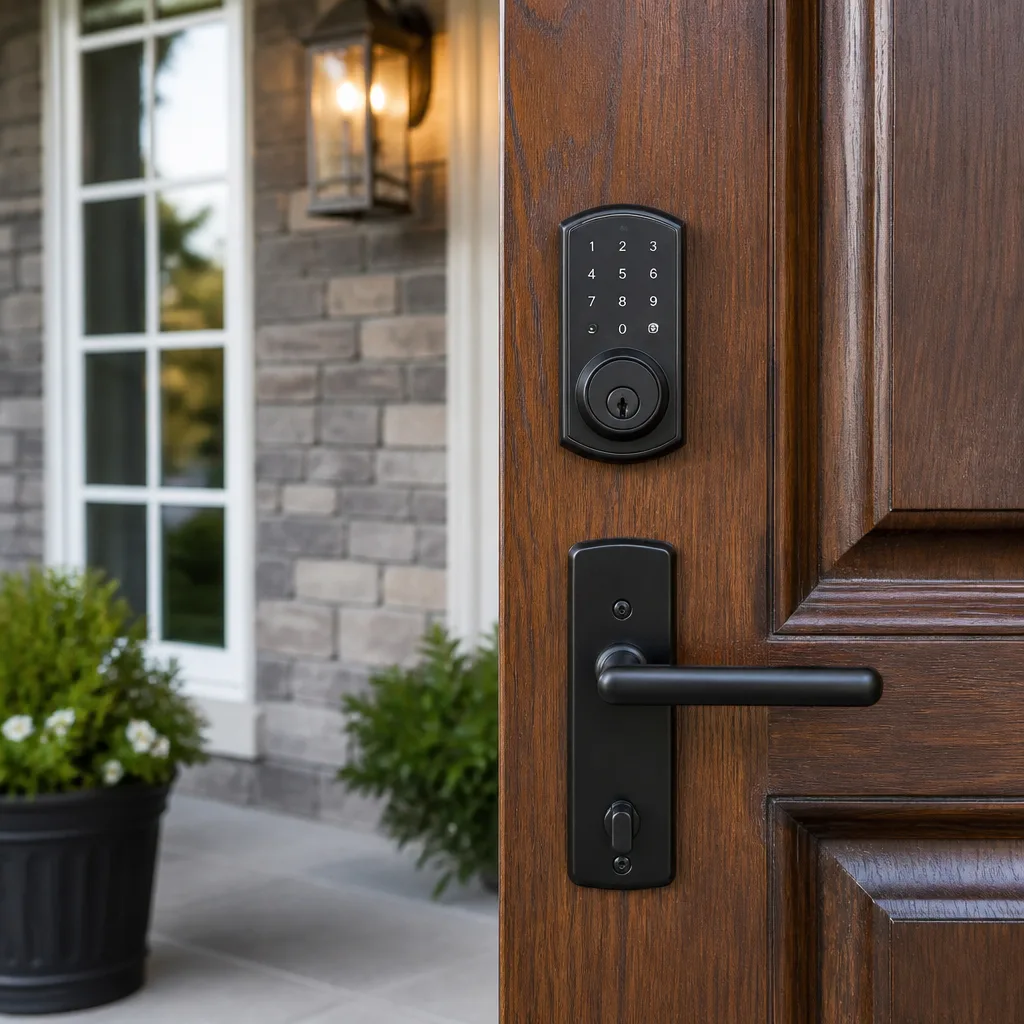 Smart locks
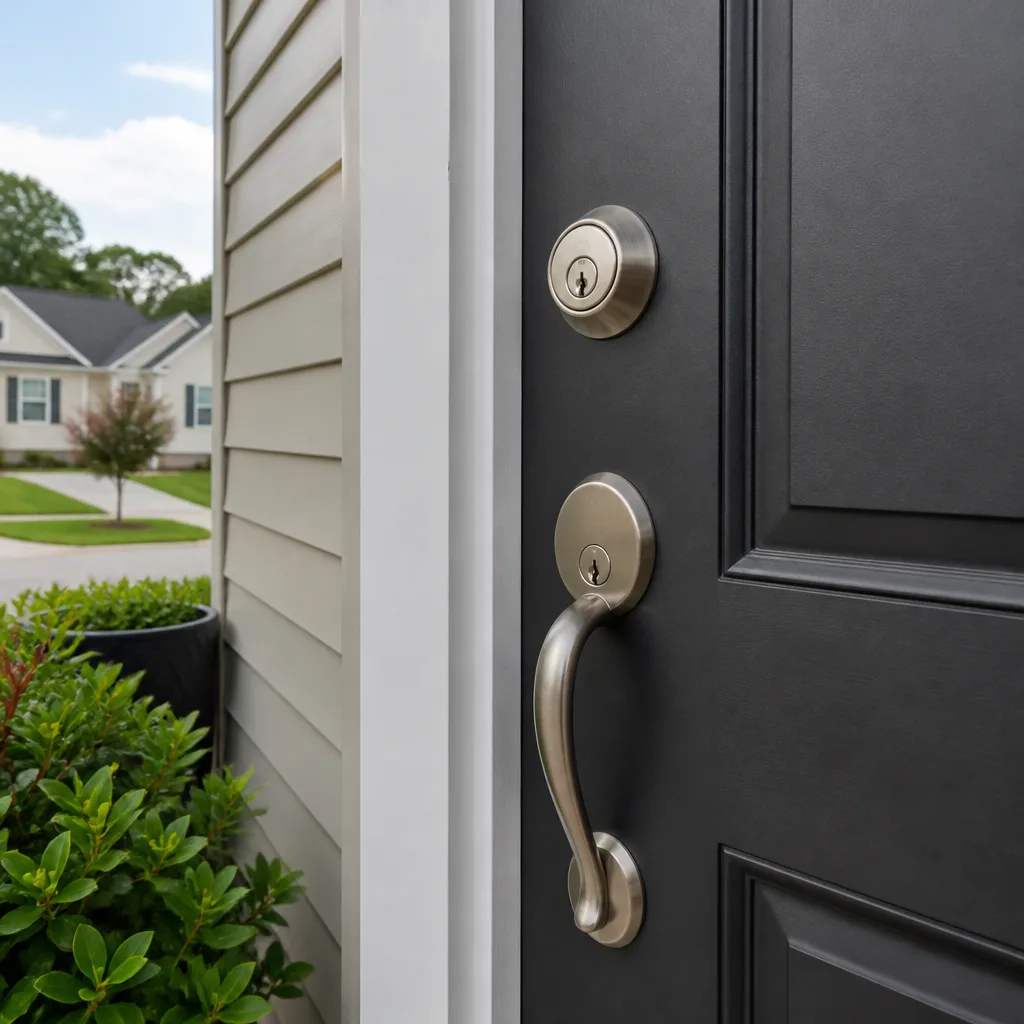 House lockouts
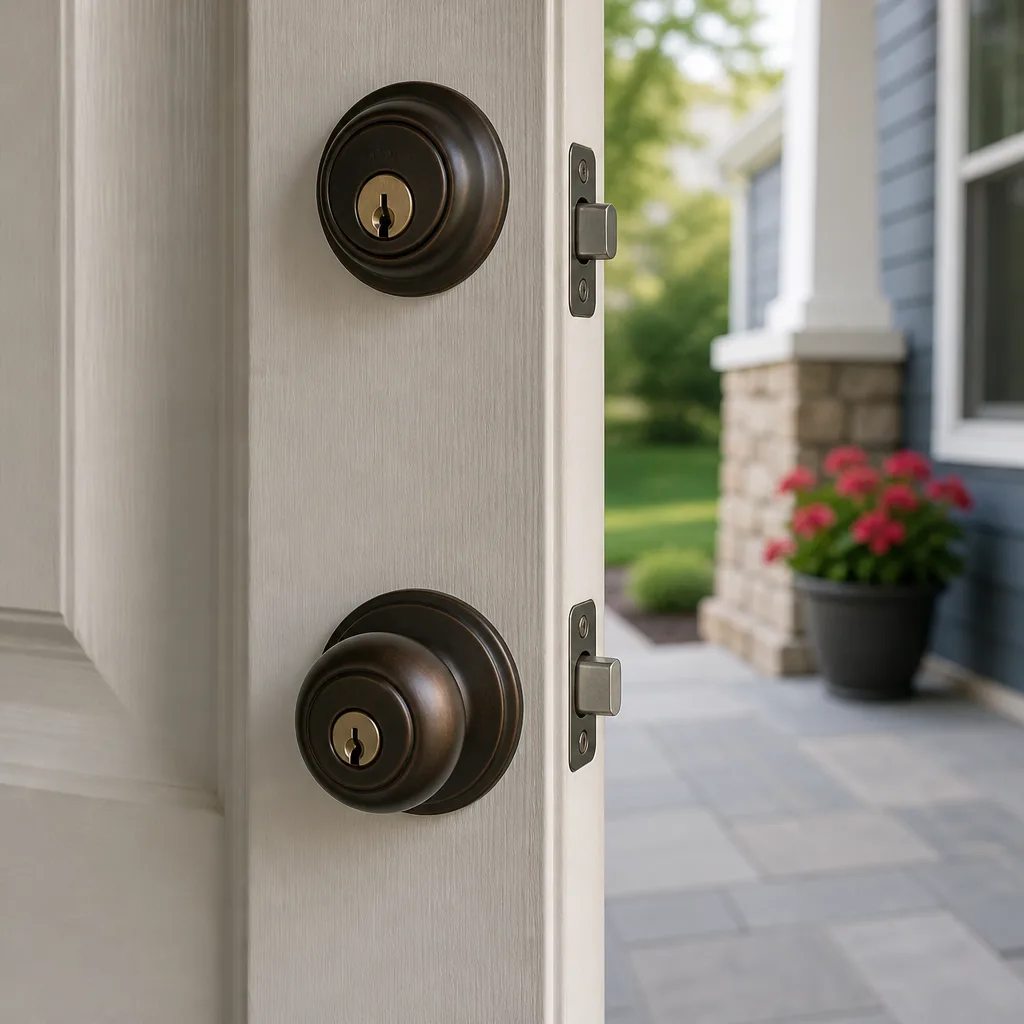 Re-keying
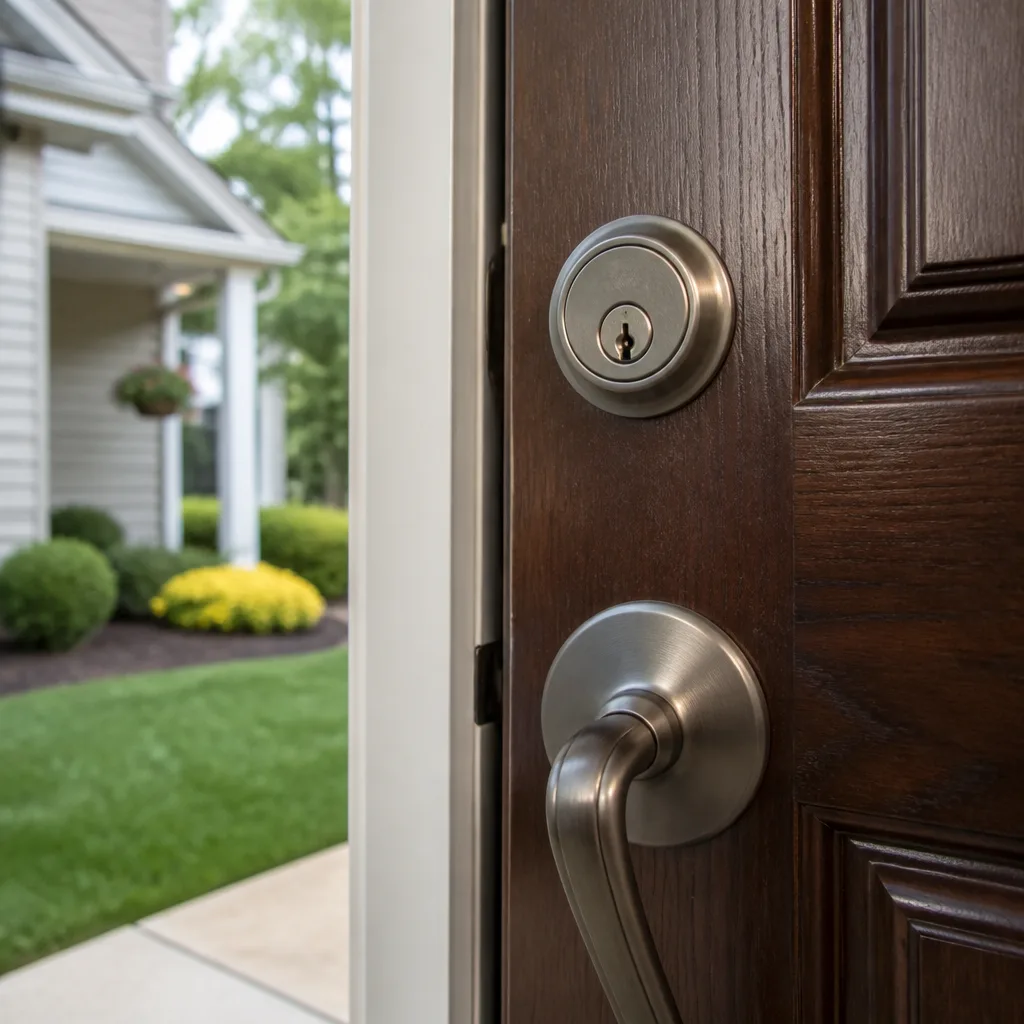 Deadbolt upgrades
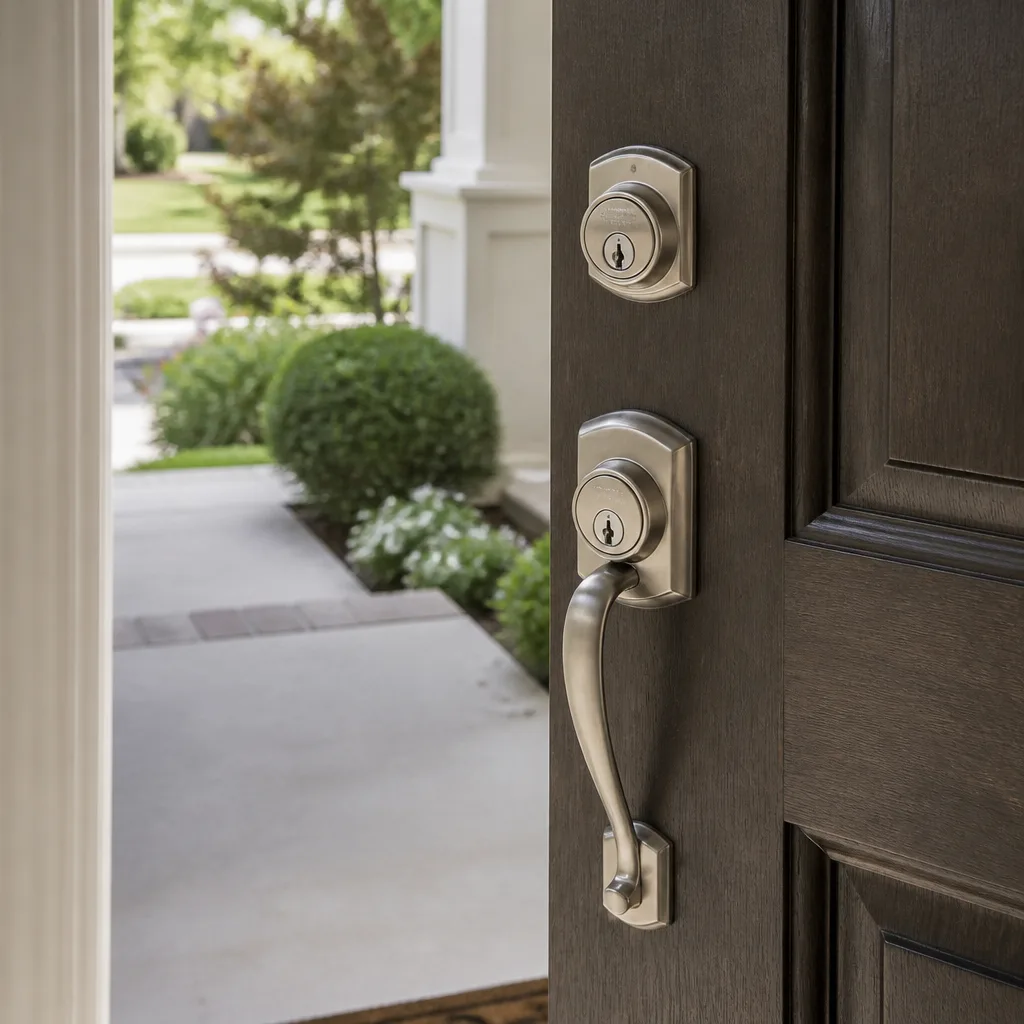 Schlage
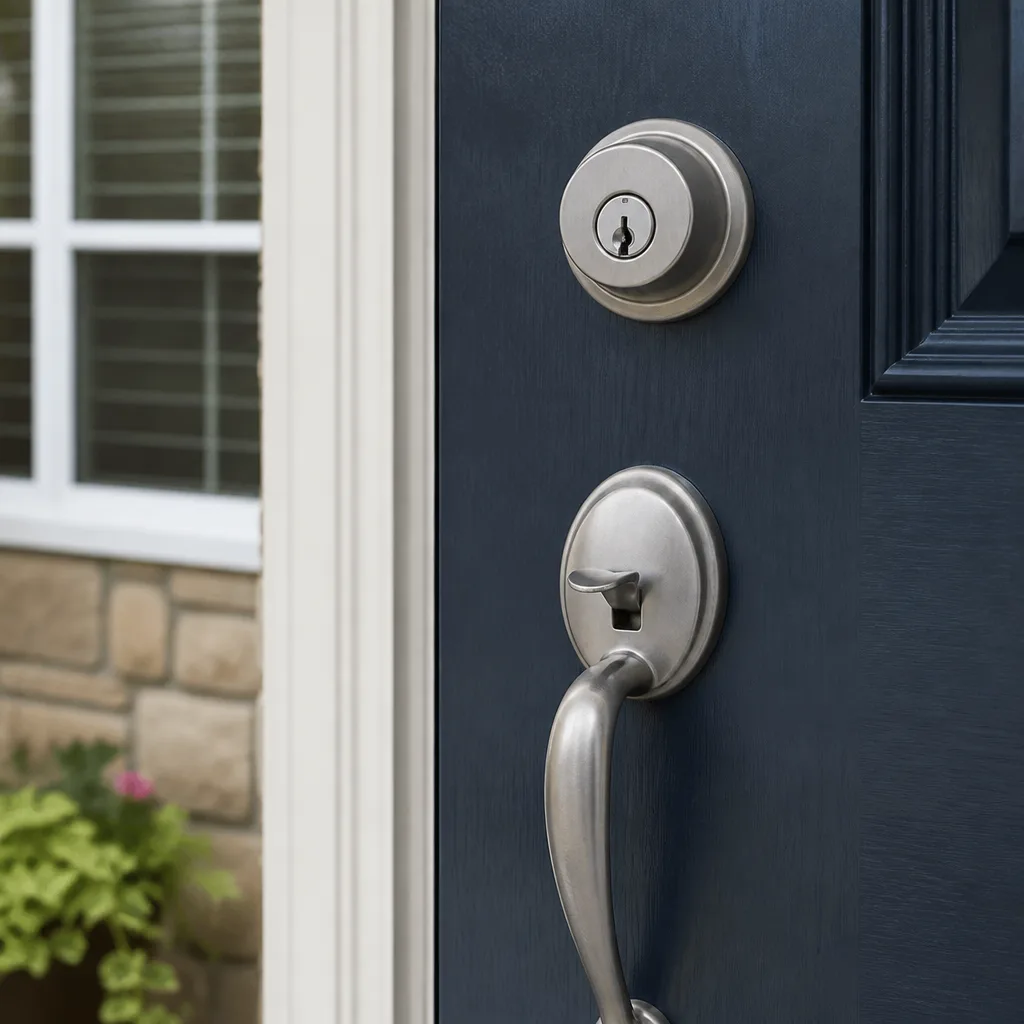 Kwikset
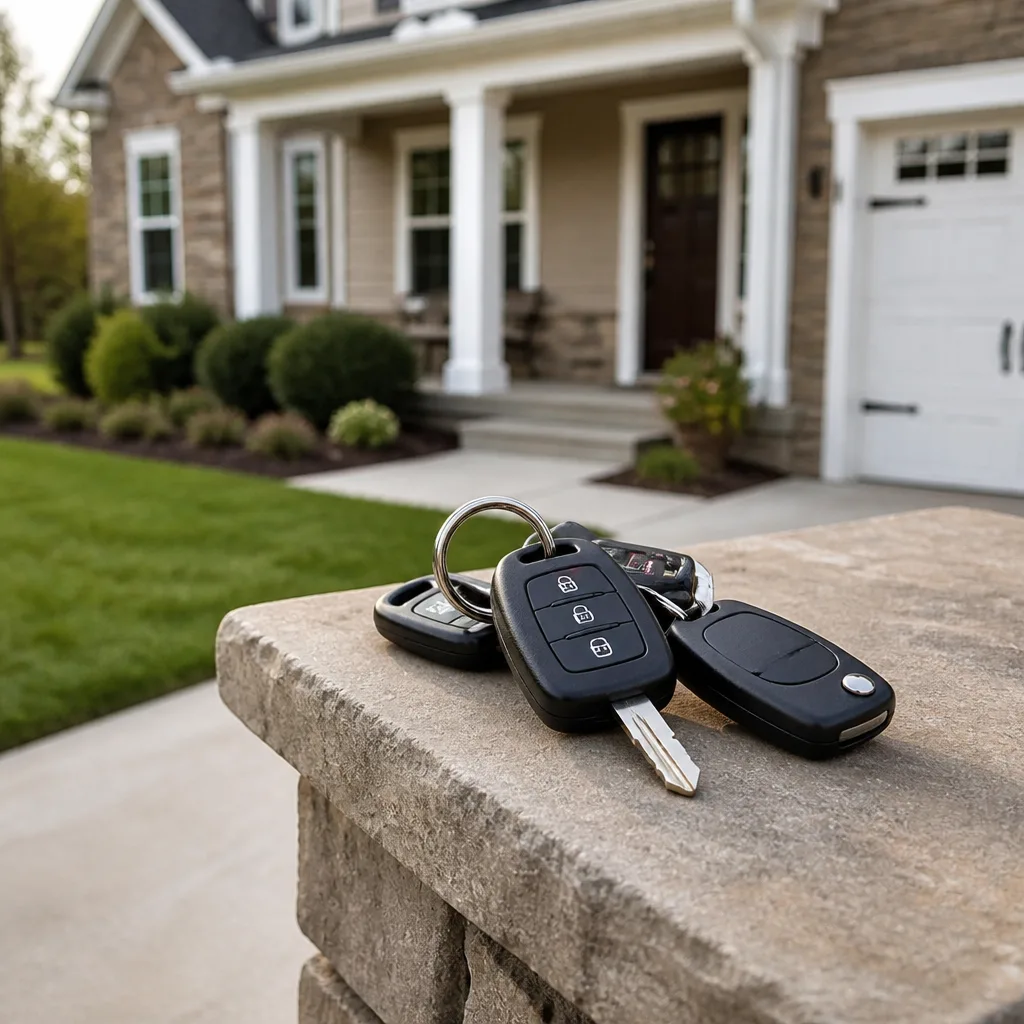 Car keys & fobs
Non-destructive entry first, always - and we re-key Schlage, Kwikset, and Baldwin locks on the spot while you watch
You get a price before we start. It does not change when we arrive. No surprises.
Get your free estimateHow to Hire a Locksmith Contractor in San Francisco: A Step-by-Step Guide
San Francisco has one of the highest rates of locksmith fraud complaints per capita in California. The reason isn’t that San Franciscans are careless. It’s that the city’s rental turnover, dense apartment stock, and steady stream of new residents create a perfect feeding ground for bait-and-switch operations that vanish the moment a job goes sideways. This guide gives you a repeatable hiring framework so you can book a San Francisco locksmith without gambling on the outcome. We’ll cover verification, phone screening, on-site pricing, and what separates a security professional from a guy with a drill and a local area code.
Quick Answer
To hire a locksmith in San Francisco, verify their California BSIS license at search.dca.ca.gov before you book, confirm the phone number matches the business, ask for a total price including labor and trip fees before they dispatch, and refuse any technician who won’t match that quote on arrival. A legitimate locksmith will quote a range by phone and honor it. A fraudulent one will dodge questions, quote deceptively low, and then triple the price after your lock is disassembled.
Styles & brands we work with
Table of Contents
- Step 1: Verify the License Before You Book
- Step 2: The Five Phone Questions That Filter Out Frauds
- Step 3: What a Legitimate On-Site Estimate Looks Like
- Step 4: Spot the Bait-and-Switch Before It Traps You
- Step 5: One-Time Lockout vs. Ongoing Security Relationship
- Step 6: What to Do If the Work Is Substandard
- San Francisco-Specific Hiring Considerations
Step 1: Verify the License Before You Book
In California, legitimate locksmiths are registered with the Bureau of Security and Investigative Services (BSIS), not the Contractors State License Board, and Locksmith Permits, Codes & Inspections in CA: What You Need to Know explains why that distinction matters legally. That distinction matters, because plenty of unlicensed operators count on you not knowing which agency to check. The process takes four minutes.
Go to search.dca.ca.gov, click “Bureau of Security and Investigative Services,” select “Locksmith Company” from the license type dropdown, and enter the business name or license number. If the company doesn’t appear, stop right there. No license, no booking.
A few things to check once you find the record:
- The license number starts with “LCO.” That prefix identifies locksmith companies specifically. A general contractor’s license (prefixed “B” or “C”) does not authorize locksmith work in California.
- The business name matches what the person told you on the phone. Fraudulent operations often use names that sound similar to established companies. A near-match is not a match.
- The address is a real San Francisco location, not a P.O. box in another city. Some bait-and-switch operators run ads across multiple cities from a single out-of-state call center.
- The license is current and active. Expired means the same as unlicensed for your purposes.
In our experience servicing San Francisco, the customers who check this one detail before booking almost never end up in a dispute. The customers who skip it are the ones who call us afterward, asking how to get their money back. The state database exists for exactly this reason. Use it.
Step 2: The Five Phone Questions That Filter Out Frauds
Once you’ve confirmed the license, the phone call is your next filter. A legitimate locksmith answers these questions without hesitation. A fraudulent operator stumbles, deflects, or gets vague.
- “Can you give me your California BSIS license number?” A real locksmith recites this from memory or says “one second” and reads it from their dashboard. A fake one says “we’re licensed, don’t worry,” or tries to change the subject. If they won’t provide a verifiable number, hang up.
- “What’s the total to unlock my door, including the trip fee?” An honest answer sounds like: “$89 service call plus $15 to $40 for the lock, so you’re looking at $110 to $140 total.” A dishonest answer sounds like: “We start at $19 and the technician will give you the exact price on site.” That “$19” figure is the classic bait number used by San Francisco bait-and-switch crews.
- “What happens if you can’t unlock it without drilling?” A real locksmith talks through the decision process: when drilling becomes necessary, what replacement hardware costs, and that you’ll approve the extra step before they do it. A fraud says “don’t worry, we almost never drill” and then drills anyway, because drilling means selling you a new lock at an inflated price.
- “Do you stock Schlage and Kwikset hardware on your truck?” A legitimate San Francisco locksmith carries common residential brands and can name them. A bait-and-switch operator doesn’t carry inventory because they plan to charge you $200 for a lock that costs $30 at any SoMa hardware store.
- “Can you send a photo of your service vehicle and the technician’s badge before they arrive?” A professional operation says yes. A fly-by-night says no, or sends a stock photo. The technician who shows up should be driving a marked vehicle that matches the company you actually booked. If the van says something different than the name that answered your call, that’s a red flag.
These five questions take two minutes on the phone. They save you hundreds of dollars and a lot of rage. We’ve recommended them to customers in every neighborhood from the Richmond to the Mission, and the pattern holds: legitimate locksmiths pass all five. Fraudulent ones fail the first.
Step 3: What a Legitimate On-Site Estimate Looks Like
Here’s the scenario: the locksmith arrives, looks at your door, and gives you a price. You’re now at the moment of maximum vulnerability, because your lock might already be disassembled and the technician is standing in your hallway. This is where you need to know what a legitimate estimate structure looks like so you can spot the tilt before it happens.
A legitimate estimate has three components, all stated up front:
- Service call or trip fee: This covers the technician’s time to reach you. In San Francisco, expect $50 to $90 during business hours, $80 to $150 for after-hours or emergency dispatch. Any locksmith who advertises a $15 or $19 service call in San Francisco is operating at a loss on that fee, which means they’re planning to recover the difference through inflated parts pricing.
- Labor: This is the per-task charge for the actual work. Unlocking a standard deadbolt without drilling should be $40 to $100. Rekeying a single cylinder runs $20 to $40 per lock plus the service call. A full car key replacement with transponder programming runs $150 to $350 depending on make and model.
- Parts and hardware: This is where bait-and-switch operators make their real money. A standard Schlage deadbolt costs $35 to $60 at retail. A legitimate locksmith marks that up to $75 to $120 installed. A fraudulent operator charges $250 to $400 for the same lock, sometimes without even replacing the original brand.
The bait-and-switch moment is when the technician quotes $89 total over the phone, disassembles the lock, and then announces that the cylinder is “special,” “commercial grade,” or “requires an anti-pick upgrade” that pushes the total past $400. When you question it, they start talking faster and mention that the door is now apart and they need a decision.
Here’s the rule: a legitimate locksmith gives you the full price before touching the lock, and that full price is the price on the invoice. If you didn’t approve a line item, don’t pay for it. You can say “put my door back together and I’ll think about it.” A real professional won’t pressure you. A fraud will get pushy, and that pushiness is your signal to call the police if they refuse to leave.
Step 4: Spot the Bait-and-Switch Before It Traps You
Bait-and-switch locksmith operations in San Francisco follow a playbook that’s been refined over years of targeting renters in the Marina, Pacific Heights, and the Tenderloin. Learn the script and it can’t work on you.
The pattern:
- The ad looks local but isn’t. A Google Maps listing shows a San Francisco address and a 415 number. But the address is a UPS Store on Clement Street, and the number routes to a call center in Sacramento or out of state. When you call, the operator quotes a service call of “$15” or “$19” and refuses to give a total.
- The technician arrives in an unmarked vehicle. No logo, no brand, no signage. Sometimes the van has a generic magnet that can be removed. The technician is often a subcontractor dispatched by the real bait operation.
- The price triples after disassembly. The technician drills your lock, then shows you the remnants and says: “Your lock was high-security. That’s $180 more.” Or: “This door needs a Grade 1 deadbolt due to San Francisco building code.” That last one is fiction. There is no city code requiring a specific deadbolt grade for residential doors. The claim is designed to sound bureaucratic and authoritative.
- Payment is demanded immediately, cash or Zelle. Credit card refused, invoice vague, and no itemized breakdown. If you push back, the technician gets aggressive or threatens to leave the door unsecured.
The tell that prevents all of this: you did not receive a total price before the technician touched your lock. If you’re ever at that point, stop the job. Tell them to reassemble the hardware and leave. You are not obligated to pay for work you never approved.
Step 5: One-Time Lockout vs. Ongoing Security Relationship
There are two ways to hire a locksmith in San Francisco: you need a door opened right now, or you need a contractor you can call again in six months for a rekey. The hiring criteria are different, and conflating them leads to bad decisions.
For a one-time emergency lockout: speed matters, but speed without verification is how you get taken. The best approach is to save a verified locksmith’s number in your phone before you need it, using our Locksmith Emergency Preparedness Guide for San Francisco Homes as a checklist. If you’re standing on a sidewalk in the Richmond District at 11 p.m. with keys inside and no saved contact, do the license check on the spot. Yes, you’re cold. Yes, it’s an emergency. Four minutes on search.dca.ca.gov beats an hour arguing with a hostile subcontractor who’s just drilled your deadbolt.
For ongoing property security: you’re not hiring a transaction. You’re hiring a contractor relationship. This matters for landlords, property managers, and anyone who owns a building with multiple units. The right locksmith should be able to rekey locks across a whole property, advise on hardware upgrades, and keep a keyway schedule so future rekeys are fast and consistent. That type of customer should be asking about brand coverage: does the locksmith work with Schlage and Kwikset for standard residential hardware? Do they service Medeco or Yale cylinders when a tenant wants something pick-resistant? The depth of brand familiarity tells you whether this is a real security contractor or a guy with a van and a lock pick.
We’re the former, and we’ve built our San Francisco service model around it. The same technician who unlocks your car key at 2 a.m. in the Outer Sunset is the one who can walk a property manager through a full-building rekey in Noe Valley. Citadel Locksmith home hub covers both ends of that spectrum, because a security-grade locksmith shouldn’t limit themselves to lockouts.
Step 6: What to Do If the Work Is Substandard
Even with the best screening, things go wrong. Maybe the lock works but the installation is sloppy. Maybe the technician scuffed your door. Maybe the price spiraled and you paid under duress. San Francisco has consumer protection channels that specifically handle locksmith fraud.
The steps:
- Document everything. Photograph the work, the technician’s vehicle, the invoice, any text messages. Screenshot the ad or listing that led you to the company. Write down the name the person used, the phone number that answered, and the license number they claimed.
- File a complaint with the California Bureau of Security and Investigative Services. Even if the company is unlicensed, BSIS takes enforcement action against unlicensed operators operating as locksmiths. The complaint portal is at the department’s website, and you can file online. Include your documentation.
- File with the San Francisco Department of Consumer Affairs. The city tracks patterns of fraud and works with the District Attorney’s office on repeat offenders. Their process is designed for exactly this kind of complaint.
- If you paid by credit card, dispute the charge. Document the bait-and-switch in your dispute: you were quoted one price, the technician performed work you didn’t approve, and the final charge was materially different. Card issuers see this pattern constantly in the locksmith trade and are generally responsive when the paperwork is clear.
- For aggressive or threatening behavior, call SFPD. A technician who refuses to leave your property after being told to do so is committing trespass. A technician who threatens to “leave your door unlocked” is committing a crime. Don’t negotiate with that person. Call the police.
The California Contractors State License Board received over 900 complaints about unlicensed locksmith operations in a single recent year, and those are only the cases that got reported. Most victims don’t file because they’re embarrassed or exhausted. Filing matters, because it builds the record that enforcement agencies need to act.
San Francisco-Specific Hiring Considerations
Hiring a locksmith in San Francisco is not the same as hiring one in Phoenix or Austin. The city’s housing stock, geography, and market dynamics create specific conditions that affect how locksmiths work and what you should expect to pay, which is why we published a Locksmith Cost Breakdown: The San Francisco Homeowner’s Reference for 2026.
Older hardware on Victorian and Edwardian stock. A huge portion of San Francisco’s housing predates World War II. That means non-standard locks, original mortise hardware, and doors that have been retrofitted multiple times over a century of tenant turnover. A locksmith who only knows modern cylindrical deadbolts will struggle with a 1920s mortise lock in a Pacific Heights flat. Ask upfront whether the locksmith handles mortise locks or antique hardware. The honest answer for many is “no.” That’s a useful answer, because it means you can find someone who does before a complication turns into a bigger bill.
Rental turnover means frequent rekeys. San Francisco’s rental market churns constantly. Every time a tenant moves out of a unit in the Mission or the Castro or the Sunset, the landlord should rekey. Rekey Locks in Mountain View explains how the process works and why it’s a smarter financial move than replacing cylinders. In San Francisco, rekeying is the single most routine locksmith job we handle, and it’s the one that most directly controls who holds access to a property.
Car theft and break-in rates affect automotive work. San Francisco has consistently ranked among the worst cities in the country for vehicle break-ins. Tourists and residents in the North Beach, Fisherman’s Wharf, and SoMa corridors are frequent targets. Some break-ins damage door locks or ignition cylinders, which means car key replacement and lock repair become linked. Car Key Replacement in Mountain View walks through what the service involves and why dealership pricing is often triple what an independent locksmith charges. If your car was broken into, the locksmith work is often covered by comprehensive insurance, but the key replacement may not be. Ask your adjuster before the technician arrives.
Emergency response means late-night work in the fog. San Francisco’s nights are damp and cold year round. Anyone locked out of their apartment in the Outer Richmond in July is standing in fog and 55-degree air at midnight. Emergency Locksmith in Mountain View covers what to expect from a dispatch at that hour, including pricing and how genuine emergency service differs from daytime rates. In San Francisco, an emergency locksmith who doesn’t quote a clear after-hours trip fee before dispatch is a red flag, because the fog is not an excuse for a surprise surcharge.
Common Mistakes to Avoid
- Booking before checking the license. Four minutes on search.dca.ca.gov prevents 95% of locksmith fraud. Skipping it because you’re in a hurry is the single most expensive shortcut in this industry.
- Accepting a “$19 service call” quote. No legitimate San Francisco locksmith survives on $19 trip fees. The number is a lure, nothing else.
- Paying before seeing an itemized invoice. Demand the breakdown before tapping your card. Vague line items like “labor” that total $400 are a scam signature.
- Letting the technician disassemble before quoting. A legitimate locksmith quoted the job before touching hardware. Once the lock is apart and the high-pressure pitch starts, you’ve already lost leverage.
- Hiring solely on Google Maps proximity. Many fraudulent listings are geographically spoofed to appear in San Francisco neighborhoods. Verify the address against the BSIS record. A UPS Store on Geary Boulevard is not a locksmith shop.
- Not asking about brand familiarity. A technician who says “a lock is a lock” is not the person you want evaluating whether you should upgrade to a Medeco or a Yale. Depth matters, especially in a city with high property crime.
- Assuming emergency work always costs more. It usually does, but a legitimate locksmith tells you the after-hours rate before dispatch. Ambiguity about emergency pricing is a bill you’ll pay twice.
When to Call a Professional
A broken key in an ignition, a locked door with a child inside, a deadbolt that won’t turn after a burglary attempt, a new apartment with unknown key history: these are all moments to call a locksmith rather than improvise. High-tension garage door springs? That’s a different trade. But lock cylinders, car transponder chips, and door hardware are not places to experiment with improvised tools, because a botched extraction turns a $100 service call into a $400 door replacement. In San Francisco, any lock issue affecting a door that secures a residence or a vehicle is worth a professional’s attention. Citadel Locksmith offers free estimates in San Francisco, call (833) 589-8078.
Frequently Asked Questions
A residential lockout in San Francisco typically runs $110 to $180 including the trip fee. Rekeying a single lock runs $60 to $120 including the service call. Car key replacement with transponder programming runs $150 to $350 depending on the vehicle’s make and year. These are honest ranges. If you’re quoted $19 for anything, the final price will be inflated elsewhere. Call (833) 589-8078 for an exact quote before dispatch, estimates are free.
It should be, and that should be non-negotiable. A legitimate San Francisco locksmith gives you a total price before dispatch and honors it on the invoice. Any technician who arrives and announces additional charges after the work begins is violating the estimate you approved. Never pay for unbilled work you didn’t authorize.
Go to search.dca.ca.gov, select “Bureau of Security and Investigative Services,” choose “Locksmith Company” as the license type, and search by company name or LCO license number. Confirm the license is active and the address matches the business you called. This takes under five minutes and eliminates most fraudulent operators.
Yes. Most residential rekeys in San Francisco are completed within a few hours of the service call. If you’ve lost a key, had a roommate move out, or just signed a lease and don’t know who else holds a copy, rekeying is the fastest way to restore control over your locks. Call (833) 589-8078 to schedule and get a flat quote.
A well-equipped San Francisco locksmith stocks Schlage and Kwikset for standard residential work, and can service or install Medeco and Yale when the job calls for pick-resistant hardware. Not all locksmiths carry high-security lines. If you’re considering a security upgrade, ask whether the company works with Medeco or Abloy before you book. The answer tells you a lot about their depth.
Document the transaction, file with the California Bureau of Security and Investigative Services, file with the San Francisco Department of Consumer Affairs, and dispute the charge with your credit card issuer if you used card payment. If the technician was aggressive or refused to leave, report it to SFPD. The state takes pattern complaints seriously, and your filing becomes part of that record.
The Bottom Line
Hiring a locksmith in San Francisco is a process, not a random click. Verify the license. Ask the five phone questions. Demand a total price before dispatch. Refuse to pay for unbilled work. Do these four things and you’ll never experience the bait-and-switch nightmare that fuels the state’s locksmith complaint statistics. Whether you need a car key in the Mission, an emergency unlock in the Richmond, or a full rekey of a Pacific Heights property, the framework works the same way. Security starts with who you let through the door. Citadel Locksmith serves the whole city from lockout to high-security upgrade, and quotes are always free at (833) 589-8078.
Written by the team at Citadel Locksmith, serving San Francisco since 2011.